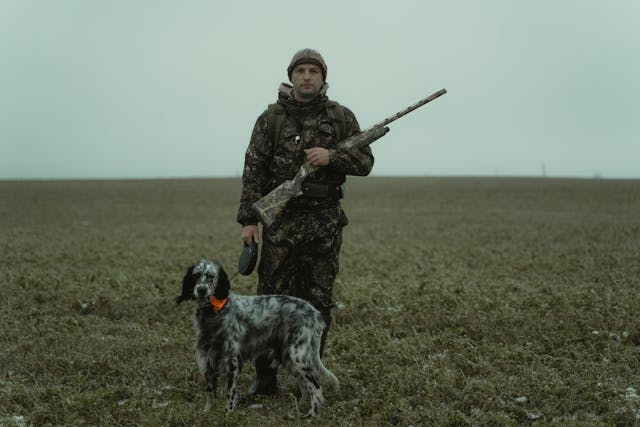

Image by Tima Miroshnichenko from Pexels
A lot of hunters already think about land, habitat, and wildlife health. What often gets missed is how everyday field choices shape that same environment. Greener hunting does not start with a total lifestyle overhaul. It starts with a few practical decisions that cut waste, reduce toxic residue, and support better wildlife management.
Three changes stand out right now. Replace throwaway gear with field items you can use for years. Use antlerless tags as a real habitat management tool, not just an extra hunting opportunity. Switch to non-toxic ammunition so you leave less harmful material in the field.
None of that asks hunters to give up performance. In practice, many of these swaps hold up better, last longer, and fit the conservation ethic that hunting already claims to value.
Maintaining a consistent supply of lead-free loads is easier when utilizing premium bulk ammo for your seasonal preparation. This bypasses the frequent backorders associated with specialty calibers and ensures you are ready for the field.
Start with the gear in your pack
Most hunting waste comes from small things people stop noticing. Disposable wipes, plastic game bags, chemical hand warmers, and cheap lighters do their job once, then end up as trash. One hunt does not seem like much. Over a season, it adds up fast.
A better pack usually starts with a few simple swaps.
Biodegradable field wipes cut down on plastic-heavy waste. Reusable canvas or cloth game bags last longer than thin synthetic bags and create less trash across multiple seasons. Rechargeable hand warmers remove the steady pile of spent chemical packets. A ferro rod or durable refillable lighter also makes more sense than burning through disposable plastic lighters every fall.
This is where greener hunting feels less like a statement and more like common sense. Buying fewer throwaway items saves money over time and leaves less junk behind in camp, in trucks, and sometimes in the woods.
Clothing matters too. A lot of hunting apparel still relies on synthetic fabrics, and those materials shed microplastics during washing. Natural fibers and recycled fabrics are getting easier to find, and some of them perform better than people expect. Merino wool base layers, for example, manage moisture well, resist odor, and handle temperature swings without the plastic-heavy feel of many synthetic layers.
You do not need to replace your whole kit in one season. Replace one or two items that wear out first, then build from there. That is usually how habits stick.
Hunt in a way that helps the habitat
Many hunters talk about conservation, but the stronger point is this, hunting already sits inside the funding structure of wildlife management in the United States. License fees, excise taxes, and regulated harvest systems all play a role in habitat work and species management.
That is part of why greener hunting is not a fringe idea. It fits the original logic of the North American model, where wildlife is managed as a public resource and paid for, in part, by the people who hunt and shoot.
The clearest example is the Pittman-Robertson Wildlife Restoration Act. Taxes on firearms, ammunition, and archery equipment help fund state wildlife agencies, habitat restoration, research, and hunter education. That means ordinary purchases already feed back into on-the-ground conservation work.
But funding alone is not the whole story. Harvest decisions matter too.
Antlerless tags are one of the most practical tools in deer management. People sometimes treat doe tags like a bonus, when they are really tied to habitat balance. In areas with too many deer, heavy browsing strips young plants, weakens forest regeneration, and reduces food and cover for other species. A growing deer herd does not always mean a healthier ecosystem. In many places, it means the opposite.
That is why antlerless harvest matters. Filling a doe tag supports the work wildlife managers are trying to do on the ground. It helps keep deer numbers closer to what the habitat can carry. That protects native vegetation and improves conditions for a wider range of wildlife.
Hunters can also do more than harvest. State habitat workdays, invasive plant removal, native browse planting, and stream corridor cleanups all connect hunting culture to the land in a more direct way. A lot of people say they care about habitat. Showing up for the work says more.
Rethink what you leave behind with your ammunition
Of all the greener hunting choices available today, ammunition is the one with the most direct field impact.
Traditional lead-core bullets create a problem many hunters now understand clearly. On impact, lead bullets often fragment. Tiny pieces spread through tissue, and those particles can remain in gut piles or carcass remains left on the landscape. Scavengers then feed on those remains and ingest the lead. That is where the damage spreads beyond the original shot.
This is not a minor issue. Lead poisoning affects eagles, hawks, vultures, condors, and other scavenging birds. It also affects mammals that feed on carcass remains. For hunters who care about wildlife beyond the target species, this is the hardest part to ignore. You can make one clean harvest decision and still leave toxic material in the food chain.
Non-toxic ammunition changes that. Copper and other lead-free loads reduce that residue problem and, in many cases, perform very well in the field. Good copper bullets hold together better than older lead-core designs, which means more retained weight and less fragmentation. Hunters often worry first about performance, then about price. In practice, bullet construction matters just as much as brand loyalty, and many lead-free options have already proved themselves on deer, hogs, and other common game animals.
The real barrier is usually supply. Hunters who switch to non-toxic ammunition often run into limited shelf stock, especially with less common calibers. Buying ahead of the season helps. Buying in bulk from a reputable source helps even more, provided the load is legal for your state and suited to your rifle and intended game.
That planning step matters. A lot of greener choices fail because people wait until the week before opening day and take whatever is left on the shelf. If you want lead-free loads, get them early, confirm how they group in your rifle, and build your season around gear you can actually depend on.
Greener hunting is still hunting
Some people hear the phrase “sustainable hunting” and expect a lecture. What it really comes down to is cleaner habits and better stewardship.
Use gear that lasts instead of gear you throw away. Treat antlerless harvest as habitat management, not just meat in the freezer. Use ammunition that does not spread toxic fragments through the food chain. None of that weakens the hunting tradition. It strengthens the part of it that matters most.
Hunters often say they want healthy game populations, clean water, strong habitat, and a future for the next generation. Those goals are not abstract. They show up in the purchases you make, the tags you fill, and what you leave behind after the shot.
Review your setup before the season starts. Pick one or two things to change this year. That is enough to make the practice more responsible, and more honest, without turning it into something it is not.