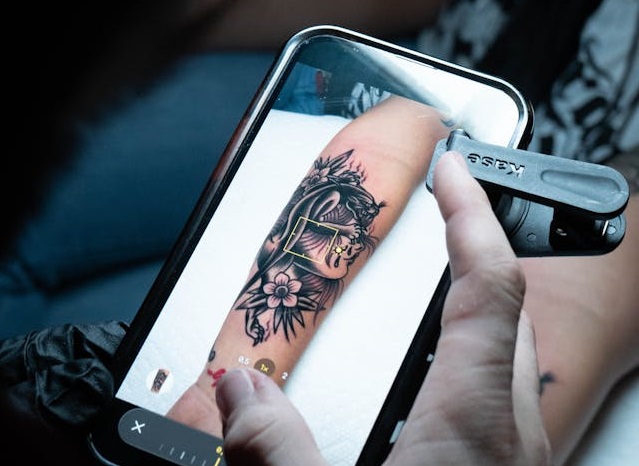

Tattoos are often talked about as a purely creative choice – the style, the meaning, and aftercare get all the attention, but the truth is that a tattoo is a whole lot more than that. It’s a skin choice, a long-term commitment, and for many people, a test of how carefully they think about committing to permanence.
That’s why the planning stage is more important than most people give it credit for.
When people talk about tattoo safety, they usually fixate on the studio, the artist, and the healing period after the session. Those things are important. And yes, the U.S. Food and Drug Administration does say that tattooing carries real risks like infection, allergic reactions, and contaminated ink.
But safety doesn’t just start when you plop yourself down in that tattoo chair – it starts long before you even book the appointment.
A stronger decision stage does way more than just make the final result look better, by the way. It also protects your skin, reduces the chance that you’ll end up with buyer’s remorse, helps you communicate more effectively with your artist, and reduces the need for touch-ups, fixes, or cover-ups later on. For something that’s going to be on your body for the rest of your life, that’s not being over-cautious – it’s just basic, common sense.
The Decision Stage is Where the Real Magic Happens
A tattoo might take a single session or a few to get completed, but the end result is really decided way earlier on – the design, the size, the placement on the body, the timing, and the quality of the planning all have a huge impact on what happens next.
People often get this backwards. A design might look great on a phone screen, or feel super meaningful in a moment of passion. But that doesn’t necessarily mean it’s still going to work once it becomes permanent.
That difference between what you like in the moment and what will still work out later is where regret often starts to creep in.
The point isn’t that you should be scared of tattoos – it’s that permanent choices need a whole different standard than temporary ones. Taking a little more time to think things through and plan things out can improve safety and satisfaction in a big way.
Skin Safety Starts Long Before the Appointment
A lot of tattoo safety advice starts way too late – it focuses on the appointment itself or on aftercare. But the truth is that skin safety begins way before any needle ever touches your body.
Your skin isn’t just a blank slate – it’s living tissue, and it’s got its own health to worry about. If your skin is sunburned, inflamed, irritated, broken, or already stressed out – it’s just not in a good place for a tattoo. And the American Academy of Dermatology has also warned that even years down the line, your tattooed skin can still start to develop reactions – which makes early planning even more crucial.
This doesn’t mean you need to freak out – it just means you need to pay attention.
If you’re thinking about getting a tattoo, it’s a good idea to take a few minutes to think about the state of your skin, whether the timing is right, and treating the whole process as something that’s worth getting ready for. It sounds obvious, but a surprising number of bad tattoo experiences happen because people skipped basic checks that they could have gotten done earlier.
Design is Not Just About Personal Taste
One of the most common planning goofs is thinking that good design comes down to whether or not someone likes the way it looks. Truth is, long term satisfaction depends on loads more than just whether someones going to like the image today.
Size matters , placement does too. And dont even get me started on the importance of detail and body shape.
A design that looks super detailed on paper can fall flat when its scaled back too much. A design that looks spot on for a tattoo may look wrong in real life when placed on the person. And lets be honest, styles that get built around a trendy thing can feel super cool at first, but can quickly start to feel disconnected later. And dont get me wrong – trends arent always bad, and sentimental stuff can be awesome. But when were talking about something that will be with you for the rest of your life- you really do need to take a closer look.
Good planning gives you that chance. Its a way for people to test out whether they still want that design after a bit of time has passed. Whether the size makes sense, and whether the whole thing works with the body rather than just looking good in theory.
The best tattoo decisions usually last because they feel right emotionally, and they still hold up when you take a step back and look at them with some perspective.
Why previews really are an important part of the process
Having a tattoo preview is super useful for a pretty simple reason: it makes abstract ideas into actual things that you can judge.
A preview is not a substitute for a human artist. Its not a picture of what the healed skin will look like – and its definitely not going to solve every technical problem. But its still a valuable tool. Its a way to see how proportion, placement and visual balance work out in real life – before you go and make a permanent choice.
That matters because vague decisions are pretty unlikely to be any better when they stay vague. Someones might be dead set on a particular design for a while, but then they see it on their own body, resized, or placed next to another version – and suddenly they can see all the problems that first idea was glossing over.
Used right, a digital preview will actually slow you down just enough to make the whole process better. Its a way to compare options, get rid of the bits that arent working, and show up to the consultation with a much clearer head. And its not just about how it looks – its also makes the conversation with the artist a whole lot more productive.
Placement: It’s Not All About the Aesthetics
Placement of a tattoo is often treated as a purely visual decision, but that’s not entirely true. Our bodies don’t behave the same way in every spot – some areas deal with more wear and tear than others. Think about it – you’ve got areas that are subject to constant movement, or are rubbing up against clothing all day. Some spots just aren’t as comfortable to get after a tattoo, and when you’re on the job, you need to be able to move around in your own skin. Certain areas are just plain inconvenient over time – clothes get in the way, work routines can interfere with healing, and that’s just not something you can plan around.
Which is another good reason that planning ahead is so important. It’s so easy to get caught up in what looks good in a photo, but a tattoo needs to work in real life too. It’s not just about aesthetics – it’s about being able to live with it day to day.
And let’s be real, this is especially true for people who have physically demanding jobs, or spend a lot of time outdoors. Placement has to work for both the artwork and the person living with it.
The Real Reason Artist Research Matters
When it comes to getting a tattoo people often talk about style – and that’s only half the picture. Choosing the right artist is also a safety issue.
A good artist does more than just stick needles in your skin – they help guide you through the process, answer your questions honestly, and make sure you’re aware of any potential pitfalls before they become a major problem. That alone makes artist research an essential part of the planning process.
Looking at portfolios is important because different artists have different strengths and weaknesses, and you want to find someone who can deliver the look you want. Asking questions upfront is vital, because rushed communication often leads to rushed decision making. And paying attention to the cleanliness of the studio is a must – as the FDA makes clear, unsterile equipment can spread all sorts of nasty diseases.
So when you’re choosing an artist, you’re not just picking someone to get you a tattoo – you’re choosing a partner for the entire experience. Do that right, and you’ll have a better chance of a great outcome – in every sense.
Tattoo Regret Often Sneaks Up On People Sooner Than You’d Think
tattoo regret is often painted as an emotional or impulsive thing. But for many people, it’s a planning problem in disguise.
What usually happens is people don’t regret tattoos because they suddenly stop loving tattoos altogether. No, they regret a particular choice – and the way they made it. They rush into the design without thinking it through. Or the size looks all wrong on their skin. Or the placement just doesn’t work with their lifestyle. And often the artist just wasn’t the right fit. None of these are random mistakes – they’re just decisions that didn’t quite get made right.
But here’s the key thing: this distinction matters, because it means that regret can often be prevented by just taking a bit more time to think things through.
Taking a slower approach to decision making reduces the chance you’ll need to correct things later down the line – whether that’s a costly revisit, a cover-up, or just dealing with something that no longer feels right. And this has some pretty practical benefits of its own – it saves you cash, avoids a bunch of extra procedures, and cuts down on all the repeat work that didn’t need to happen in the first place..
There’s a bigger point here as well. Better planning usually means less avoidable rework. And what’s a tattoo if not a big, obvious example of that? The cost of a rushed choice is just about impossible to hide.
When Better Questions Lead to Better Tattoos
Planning doesn’t have to get complicated to get better. Usually the biggest step forward is just to ask yourself better questions.
Do you still really love the design a few weeks or months after you first thought of it – or was it just a fleeting mood thing?
Does the placement actually make sense for your daily life, or did you just imagine it looking cool?
Is your skin in good nick, or are there already some problems?
Have you thought enough about the artist you’re working with – their experience, their hygiene standards, whether their style even meshes with yours?
Have you actually gotten a chance to see what the design will look like on your skin in real life, or are you just going by imagination?
These questions aren’t about stifling your creativity – they’re about protecting it. You’re usually going to make a stronger choice when you’re clear on what you’re doing, rather than rushing into something on a whim.
A More Thoughtful Way to Deal with Permanent Choices
You don’t have to lose all sense of spontaneity when it comes to getting a tattoo. But permanence changes the game a bit. It makes planning a lot more important, not because you need to sweat every detail, but because better preparation just leads to better results.
Taking the time to get your design right, in particular, helps on loads of fronts at once. It’s good for your skin, it helps you feel confident in your design long term, and it helps you communicate more clearly with your artist. And of course, it reduces the chances of regretting your decision later. And on top of all that, it shows you have a more thoughtful approach to self expression – one that values having a real plan for how you’re going to express yourself, rather than just letting your emotions run wild.
That’s the real case for taking things a little slower. Not that getting a tattoo has to be a boring, clinical experience – but that something as permanent as a tattoo deserves a bit more than just a momentary feeling of certainty.
Conclusion
The tattoo conversation often starts too late. It starts with the appointment, the ink, or the aftercare. But the part that shapes the outcome most often happens earlier, when the design is still under review, the placement is still open to debate, and the quality of the decision can still improve.
That is why the decision stage matters.
It shapes safety. It shapes satisfaction. It shapes whether a tattoo feels like a lasting expression of identity or a choice made too quickly to carry its own permanence well.
A tattoo can be personal, creative, and deeply meaningful. Better planning does not weaken any of that. It gives those qualities a better chance to last.