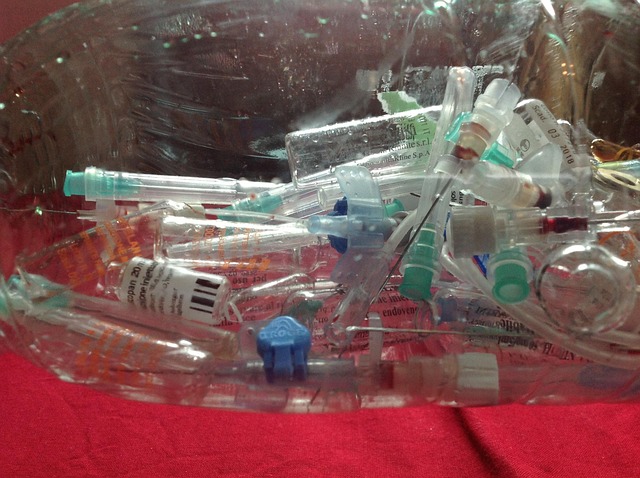

Healthcare does its best to protect our health, but the waste that ends up here can be a ticking time bomb waiting to go wrong if handled carelessly. You can’t ignore this issue anymore. Clinical waste has moved from being a routine hassle or a compliance matter to a situation that’s all wrapped up with preventing infections, keeping staff safe, saving the planet and, more and more, being a sustainable health care option.
This shift matters because just about everyone gets this wrong. Not all the trash generated in hospitals, clinics and labs is nasty, and not all of it needs the same sort of treatment. According to the World Health Organization about 85 percent of the stuff we throw out is just run-of-the-mill general waste while around 15 percent is things like lab waste, or things that just might be infectious and so on. You can see why this makes a difference right away. When you commingle the harmless stuff with the nasty stuff, the environmental impact just goes right through the roof because it all needs to be stored and treated and moved around with so much extra hassle.
Why Clinics are Often Clueless about Their Environmental Footprint
The trouble with clinical waste isn’t just what happens after the bag goes out the back door. It starts way earlier, with the choices you make about what to buy, the packaging and all the rest of it. If you’re just going to chuck everything that’s a hassle in the waste stream then you’re going to be in for a nasty surprise. It goes on right through to how you get it to the incinerator, how you treat it and what happens at the end of the day.
That whole lifecycle is what matters. A hospital might think it’s doing a good job because it’s meeting the rules, but that’s not the same thing as doing it efficiently and in a way that doesn’t hurt the planet. If the segregation is all wrong too much of it ends up in the wrong stream. When the transport is all wrong it burns up all the more fuel. And if you’re using the incinerator for a lot of things you could do without even bothering then you’ve got all the greenhouse gas emissions that go with that. So safe disposal isn’t just about getting rid of the bad stuff, it’s about stopping all that unnecessary waste in the first place.
Clinical Waste: What’s What
One of the biggest misunderstandings just about everyone has is what we mean by “clinical waste”, “medical waste”, “healthcare waste” and “regulated medical waste”. It’s almost as if we’re talking about exactly the same thing – but we’re not. It’s all different. The definition varies from country to country, state to state, and even from regulator to regulator. But in a nutshell, regulated medical waste is the stuff that’s so nasty it needs a special handout.
That usually means sharps, something that’s sticky with blood or some other bodily fluid, some pathological waste, some test tubes, pharmaceutical waste, and a few other things like chemicals or whatever. It doesn’t necessarily mean every bit of kit that gets used to try and keep you alive. Office paper, cardboard, food that’s past its sell-by date, boxes and all the other stuff – that just goes in the ordinary bin unless it gets all contaminated.
It’s not just about the words – it’s about making a real difference to what this costs, what it means for the planet, and what kind of compliance you’re going to get from the regulators.
Where sustainable waste management starts – with proper segregation
There’s one simple yet crucial principle that helps make both waste management and patient safety safer – and that’s getting waste segregation right at the point of creation. The sooner the decision gets made, the better it tends to go.
When staff put medical sharps in the correct containers, keep infectious waste completely separate from household trash, make sure chemicals are properly stored and not thrown in with the regular waste, and stop chucking recyclable items into the red bag waste, they’re not just following some rules. They’re doing the right thing and it shows in all the good things that come out of it – less waste to deal with, reduced risk of accidents and huge cost savings from not over-classifying stuff that doesn’t need to be.
Thats also why waste management training isnt a one-and-done thing you do just when you start the job. You need it to be an ongoing part of your regular operations. Everyone who has any role in the waste management system – whether it’s a temp worker, a contractor, a janitor or a medical team – all have a hand in making sure the system stays intact. The CDC has guidelines on how to deal with medical waste that says you should be regularly disposing of it, storing the stuff in the right kind of containers, labelling them to prevent leaks and you should also be following best practices to minimize the risk of exposure when storing and transporting the stuff.
The real pressure points for the environment
Healthcare waste is a dirty word, but to get a real picture of how bad things are you have to look beyond incineration.
Transport is a big one, for example. Lots of facilities don’t treat their medical waste on site, so the waste has to go through internal collection networks and get hauled off to treatment centres somewhere else. That just adds more pollution from vehicles, more fuel to burn and a whole lot more complexity to deal with.
And another big one is the materials we use in the first place. Despite the fact that we need to use a lot of single use items because they are the best way to prevent infections, poor waste segregation just means that even clean paper, plastic and packaging is just going in the bin and ending up in the wrong place.
And then there is treatment. Some waste does require high temperature incineration, but not all of it. Where the rules allow it, methods like steam sterilization can reduce our reliance on burning stuff for certain types of infectious waste. The key is to get the right waste to the right treatment method – its not just a matter of trying to avoid incineration at all costs.
Why incineration cant be the first thing we think of
For years, incineration was the default option for medical waste because it looked like it was just getting rid of the bad stuff. History hasnt changed that much yet, and that still influences public opinion. But the real way to manage waste has moved on. We arent just trying to get rid of waste now, we are trying to do it in a way that keeps our patients safe and also doesnt harm the environment.
Incineration still has a place for certain types of waste – like pharmaceuticals, pathological materials and other stuff that cant be safely managed any other way. But using it too much can cause big problems – like pollution and energy use. So now, health systems and regulators are keeping a closer eye on waste minimization, better segregation and non-burn treatment options for stuff that doesnt need to be burned. Thats a pretty big change in attitude. The goal now is to get rid of waste safely, not just to get rid of waste.
The smarter path: cut waste, sort it right then deal with it
The most effective ways to manage waste in healthcare have a few things in common.
First off they focus on cutting waste before it’s even got a chance to become waste. This means buying stuff that comes in better packaging, using disposable items only when you really have to, and checking whether it’s worth chucking certain materials or if they can be recycled.
Second, they make sure waste is sorted properly. This is what keeps the really bad stuff from getting out of hand.
Third, they make sure waste is collected and moved around the place in a logical way. Small operational details matter here: using the right containers for sharps, leak-resistant transport carts, clear signage, and bins placed where staff actually need them. For some facilities, that also means reviewing where to buy sharps containers that are appropriate for different treatment rooms, labs, and high-volume care settings.
Fourth, they use treatment methods that make sense. Some types of waste need special handling, and others don’t. A hospital that treats everything like its hazardous is just wasting money and making things worse for the environment at the same time.
Digital tracking and getting a better grip on things is becoming more important
One of the big moves in waste management is getting better data. Loads of facilities and contractors now use barcode scanners, RFID tags, monitoring the levels in bins, optimising routes and all sorts of digital tools to make life easier and make sure they’re not picking up too much rubbish or mismanaging containers.
This matters because loads of waste problems are about day-to-day practice, not just theory. When managers can see which departments are chucking out more waste than they need to, where different types of waste are getting mixed up, or how often bins are being emptied when they still pretty much full, they can actually do something about it instead of just getting hit with a big disposal bill every month.
That kind of visibility of where waste is coming from and how it’s being handled also ties in with the broader push for sustainability in healthcare. We’re moving on from just focusing on getting rid of waste safely, to actually designing waste systems that are safe, work efficiently, are trackable, and don’t have too much impact on the planet.
Recent reports show this is more than just about getting rid of waste
Recent reporting from round the world also makes it pretty clear that managing clinical waste can’t be separated from the basic healthcare system. The latest WHO/UNICEF reports on healthcare services say that waste management is still patchy, especially in areas where the healthcare system isn’t that well funded, and that sorting out waste is now being seen as a key part of making a healthcare system resilient and safe. In other words, this is no longer just a matter for the facilities team – its a part of how a modern healthcare system is supposed to work.
Example: How the Maldives Clinical-Waste System Works Step by Step
Sort Waste at the Point of Use
The Maldives system starts where waste is made. Staff sort waste right away. They use the right color bins, bags, and labels in each care area. This helps staff separate sharps, infectious waste, chemical waste, drug waste, and general waste from the start. This step is important. When normal waste is mixed with hazardous waste, more waste needs special treatment. That raises both cost and environmental harm.
Daily Collection and Safe Storage
After that, staff collect and store the waste on a set schedule. The guidance says waste should be collected every day. Each item should be labeled with the source and waste type. Staff then move it to a set storage and treatment area inside the facility. Infectious waste areas must stay away from patients and visitors. Facilities should also keep space for chemical, drug, and other hazardous waste when needed. This system keeps waste from piling up in care areas or moving around the building without control.
Controlled Internal Transport
The next step is moving waste inside the facility through fixed routes. The Maldives guidance says facilities should use special trolleys for healthcare waste. These trolleys should have lids. They should also be color-coded, labeled, and easy to clean. Each trolley should be used for a specific waste type. Staff should move waste through planned routes, not through crowded public spaces or busy patient areas. They must also clean and disinfect the trolleys often. This makes waste handling a controlled routine, not an informal cleaning task.
Non-Burn Treatment with Autoclaves
For treatment, the Maldives guideline says facilities should use non-burn methods for infectious waste and sharps waste. It also names a dedicated autoclave for infectious waste. The process follows clear steps. First, staff place infectious waste bags into a lined metal cart or bin. Some machines need preheating first. Then staff place the load into the autoclave chamber. They attach a color-changing indicator to the load to check if treatment worked. The machine then removes air and adds steam. It reaches the needed pressure and heat and holds them for a set time. After that, it releases steam, cools the waste, and staff check the indicator before unloading. If the indicator shows weak treatment, the waste must go through the cycle again.
Recordkeeping and Monthly Reporting
The system also requires records and checks. The guideline says staff should keep a written log. The log should note the date, time, operator name, waste type, waste amount, and test result from the indicator or monitor. More broadly, each facility should keep daily records by waste type in kilograms per day. It should also have a weighing scale in the main storage area. Then it must send a monthly healthcare-waste report to the Health Protection Agency. This means the Maldives model is not just about treating waste. It also tracks and measures waste so the system can work well over time.
Licensed Offsite Transport and Worker Safety
Some waste must leave the facility. In those cases, the Maldives system uses licensed contractors. The contractor should keep a consignment note. This note should show the contractor name, waste generator, waste type, waste amount, collection date, and receipt date at the treatment or disposal site. The waste section of the vehicle must stay locked except during loading and unloading. Waste should not be compacted if that could tear the bags. Staff must also clean and disinfect the vehicle area and containers each day or after any spill. The guidance also recommends hepatitis B and tetanus protection for waste handlers. It also calls for records of staff training and vaccination.
These headings work because they are clear, short, and action-based. They let the reader scan the process fast. The best flow is: sorting, storage, transport, treatment, reporting, and offsite handling.
What Sustainable Clinical Waste Management Really Means
Sustainable clinical waste management does not mean ignoring safety. It does not mean treating infection control as less important. It also does not mean all medical plastic can be recycled. And it does not mean every hospital can stop using high-impact disposal methods right away. A realistic approach is more practical.
It means keeping normal waste out of hazardous waste streams. It means sorting waste correctly where staff use it. It means using the right bins, safer internal transport, and proper storage. It also means choosing the safest treatment method with the lowest environmental harm when possible. Just as important, it means tracking the system well enough to improve it.
This is the balance healthcare must reach today. Patients, staff, and nearby communities all need waste to be handled safely. But the environmental cost also matters. Health services now face more pressure to cut emissions, use fewer resources, and work in a more responsible way.
Safe disposal of clinical waste is still about protection. But today that idea is wider. It is not only about what happens in the treatment room or waste area. It is also about what happens to air, water, materials, and communities after the waste leaves the building.