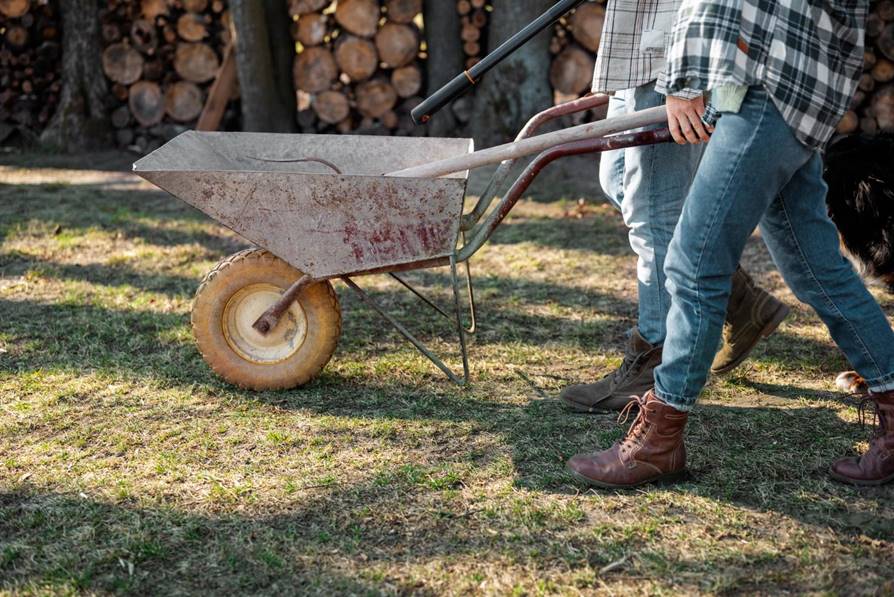

Maintaining land and property – a responsibility that doesn’t look so bad until you’re knee-deep in it. Whether you’re in charge of a rural spread, a big ol’ residential lot, or a mixed-use wonder, the work just doesn’t stop: the grass keeps coming back, trees drop branches, seasons change, and the weather leaves yet another calling card.
It’s not like it’s rocket science figuring out what needs doing – it’s the actually doing it that’s the problem. Finding the time and energy to keep up, day in and day out, is where most property owners struggle. That’s where some clever tools come in handy – tools that not only save you time but also help you take a responsible, safe, and sustainable approach to looking after your land.
A word of warning – good maintenance gear isn’t about trying to overcome nature with some kind of hardware behemoth. It’s about working in harmony with your environment, in a way that lets you keep on top of things all year round.
The Consequences of Putting Off Maintenance Until Tomorrow
Procrastination on property maintenance is a surefire way to waste your time (and your sanity). You put off a small task and before you know it, it’s turned into a big one. A branch falls off a tree and before long, there’s a whole heap of them. A patch of overgrown vegetation becomes an eyesore and a pest attractor – and in dry climates, it becomes a fire waiting to happen.
Regular maintenance done right can prevent all these problems from happening in the first place. It also means healthier soil, a safer environment, and landscapes that are at least usable, if not downright enjoyable to be in.
So the key is to pick tools that fit the size of your property and the kind of work you’re doing most of the time.
The Top Land & Property Maintenance Tools for the Job
Knowing which tools to use for specific maintenance tasks is the key to making smart investment choices when it comes to gear. It saves you buying the wrong stuff, doing unnecessary work, and getting bogged down in the stuff you need to do.
| Maintenance Task | Common Time-Saving Tools | Best For | Typical Cost Range |
| Lawn and vegetation control | Riding mower, zero-turn mower, brush cutter | Medium to large properties | $300 – $5,500 |
| Wood and tree maintenance | Chainsaw, pole saw, log splitter | Wooded or tree-heavy properties | $150 – $2,500 |
| Storm debris management | Wood chipper, leaf vacuum, mulcher | Areas with frequent storms or heavy foliage | $500 – $4,000 |
| Soil and landscaping | Rototiller, aerator, tow-behind spreader | Gardens, soil health, erosion control | $200 – $3,000 |
| Drainage and water management | Trenchers, drainage augers, sump pumps | Flood-prone or sloped properties | $250 – $2,000 |
| Seasonal snow and ice removal | Snow blowers, plow attachments | Cold climates | $300 – $3,500 |
Matching tools to recurring tasks often delivers the greatest long-term time savings.
Making Your Land Management Smarter
Land management used to be a big chore – relying on elbow grease from start to finish. While there’s still plenty of value in getting your hands dirty, modern tools let you get the job done in a way that’s good for you and the planet.
Take for example the humble waste processor – a thing of beauty on your property. Rather than hauling off organic waste, you can turn it into compost or mulch right in your own backyard. This might be the best way to keep your land looking its best and significantly reduces the amount of waste that ends up in the landfill. Plus, it puts all those valuable nutrients right back in the soil.
This is where the right tool comes in handy. When you’ve got a tool that’s been designed to do one specific job, it makes the whole process so much easier. Less effort, better results – you spend less time wrestling with tough tasks and more time enjoying your property.
Handling Fallen Timber with a Little Less Headache
Trees are a beautiful thing, but they also come with a few headaches – like when they fall over in a storm. Whether that’s from natural die-off, pruning, or just the wind, dealing with fallen timber can be a major pain.
Cut and split by hand – or trying to – is just not a fun way to spend your time. Not only does it take a lot of sweat equity, but it also gives you an excuse to put off the messy work until later. And that can be a bad idea, because it can attract pests and even increase your fire risk if you live in a certain region.
For landowners who deal with fallen timber on a regular basis, investing in the right tool can be a total game-changer. Many explore options like Equipment Outfitters gas log splitters when they need consistent power and mobility for handling larger volumes of wood. Gas-powered log splitters are one example of a tool that can make quick work of big chunks of wood – and because they don’t need power, you can use them just about anywhere.
There’s a bonus to using the right tool – you’re less likely to just toss that wood in the landfill, and instead, you can use it as firewood or mulch. Which keeps all that natural stuff right where it belongs – in a useful cycle.
Picking the Right Tool for Your Property
Don’t get the wrong idea – every property needs a tool. But what you need is going to depend a lot on how big your place is.
A small suburban lot doesn’t need a big, commercial-scale piece of machinery – what you need is something compact and versatile. On the other hand, if you’re working a big spread, you might be able to justify spending a bit more money on something heavy-duty – because when you’ve got acres to cover, the time savings add up fast.
One thing that might be worth thinking about is how often you’re going to be doing a particular job. If you know you’re going to have to cut down trees or split wood more than once or twice a year, the right tool will pay for itself in no time – all that time you save, plus a lot less physical stress to boot.
Choosing The Right Equipment for Your Maintenance Needs
Choosing the right tools for the job is all about finding a balance between several key factors.
The Size and Layout of Your Property
When you’ve got a big piece of land or uneven terrain, you might need to opt for more heavy-duty or even motorized equipment to get the job done.
How Often You Do Maintenance Work
If you’re doing maintenance tasks on a regular basis, you might be willing to invest in some more expensive equipment that’ll make your life easier in the long run.
What Kind of Power You Need
- If you’re looking for power, gas equipment usually has the upper hand.\
- But if you want something quieter and less maintenance, electric or battery-powered tools are often the way to go.
Storing and Transporting Your Equipment
The size of the equipment and the space you have to store it will definitely influence whether or not it’s a practical choice for you.
Looking After The Planet Too
Some tools will make it easier to do maintenance in a way that’s better for the environment. For example, mulching, composting, or using low-emission tools.
Maintenance That Helps Protect The Environment
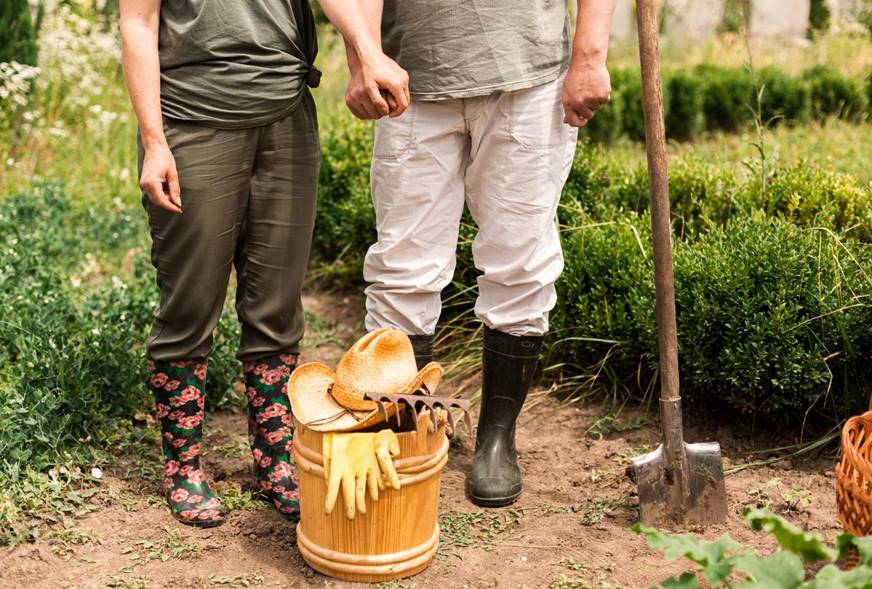
It’s not just about getting the job done quickly and easily, maintaining your property in a thoughtful way can actually help the environment. Good maintenance will protect native plants, prevent erosion and reduce the need for chemicals.
For instance, clearing away debris can lower the risk of wildfires, while getting your water runoff under control with good landscaping will protect your soil and the waterways nearby. Even something simple like mulching your organic waste instead of burning it can improve the air quality.
Tools that save you time make it much easier to stick to good practices, and when it feels like a hassle to do the right thing, it just doesn’t happen as often.
Landscaping That Makes You Feel Good
Property maintenance isn’t all about cutting and clearing. It’s also about how your space looks and feels. When your property is well-maintained, you’re more likely to take pride in it and care for it properly.
Certain installations can add a lot to a property – things like fencing, lighting, garden structures and flagpoles. While they don’t make maintenance itself any easier, they can make a big difference in how you feel about your space.
Durable outdoor installations are popular because they last longer and can withstand the elements. When your property features are built to last, you’re more likely to take care of the rest of your landscaping and outdoor areas too.
In that sense, how your property looks has a lot to do with how well you’ll take care of it. When it looks intentional and cared for, you’re much more likely to keep it that way.
Seasonal Maintenance Planning
Different times of the year bring different challenges. Preparing your tools before the seasons change will help stop things from getting rushed and break down on you.
Spring
- Using aerators and tillers to get your soil ready for the new season
- Pruning and trimming your vegetation
- Inspecting your drainage to make sure you’re not going to have problems after the snow melts
Summer
- Mowing and brush cutting to keep your lawn looking tidy
- Getting your irrigation system in order
- Managing your vegetation to reduce the risk of fires
Autumn
- Leaf removal and mulching
- Cleaning up any storm damage
- Composting your organic materials
Winter
- Getting rid of snow and ice
- Servicing and storing your equipment
- Inspecting your trees to make sure they’re not damaged from the storms
By planning ahead, you can avoid emergency repairs and extend the life of your equipment.
Residential Installations That Support Pride of Place
Property maintenance isn’t only about clearing and cutting. It’s also about how a space looks and feels. Well-maintained properties tend to foster pride and care, which often leads to better long-term stewardship.
Certain installations add both function and identity to a property. Fencing, lighting, garden structures, and flagpoles all fall into this category. While they don’t reduce maintenance tasks directly, they contribute to how owners value and maintain their space.
For example, some homeowners invest in durable flag displays from companies like HD Flagpoles as part of their residential setup. A quality installation encourages regular upkeep of the surrounding area, from landscaping to cleaning. These small visual anchors often inspire broader care for the property.
In that sense, aesthetics and maintenance are connected. When a property feels intentional, it’s easier to stay motivated to care for it.
Reducing Physical Strain on Your Body
Time-saving tools are a blessing – they save your schedule and more importantly, your body. All those repetitive, backbreaking tasks like splitting wood, hauling heavy stuff and hacking at dense undergrowth add up – and can do serious damage over time.
Modern equipment is a lifesaver – literally. With ergonomic handles, safety features and smarter design, you can work longer and safer without breaking your back.
Getting the right gear can be a pretty smart decision – one that will pay off in the long run.
Equipment Maintenance and Storage – the Secret to a Long Life?
Your tools are only as good as how well you look after them – and if you don’t keep them in good nick, you’ll find yourself stuck with a toolbox full of useless junk.
Here are some no-brainer tips:
- Give ’em a good clean after each use
- Sharpen those blades regularly – a dull blade is a waste of time
- Check your fuel systems and filters regularly
- Keep the moving parts nicely oiled
- Store tools in a dry, well-ventilated spot – not the garage with all the wet rags
- And if you’re not using tools for a while, remove the batteries to keep the corrosion at bay
Looking after your tools properly is the key to getting them to perform when you actually need them
Safety Considerations When Fiddling With Maintenance Equipment
Maintenance gear can be pretty unforgiving – sharp blades, heavy moving parts and big motors are all hazards waiting to happen. You’ve got to take it seriously.
Some basic safety rules to live by are:
- Wear the right gear – gloves, eye protection and ear muffs will save you from a world of pain
- Make sure you’re wearing shoes that won’t slip off mid-task
- Give the area a good clear before you start – you don’t want any surprises
- Always give your gear a good once-over before you use it
- And don’t even think about using it in bad weather – you’ll be a sitting duck
- Keep some distance between you and any bystanders or pets – just in case
Following safety rules is the only way to keep yourself and the people around you safe
The Bigger Picture
Land and property maintenance is not something you can just “get done” – it’s an ongoing relationship with the land you own or manage. Your goal is not to make it perfect – just to keep it ticking along.
Time-saving tools are not just about making life easier for the environment – they’re also about making it realistic for the owner. They turn responsible care from an impossible task into one that’s manageable.
Property maintenance will always take some effort, but it shouldn’t be a burden on your time or energy. With the right tools, you can work smarter, not harder and make less waste in the process.
Whether it’s an efficient saw for wood, some thoughtfully installed systems or just getting the right gear for the job, each decision adds up. They turn maintenance from a burden into a routine that’s actually a pleasure.
And when you’re regularly taking care of the land, you’ll start to see real benefits – not just in how it looks, but in how safe and usable it is and even in its environmental impact.
In the end, saving time on maintenance isn’t just about doing less – it’s about making the things that are important easier to do.