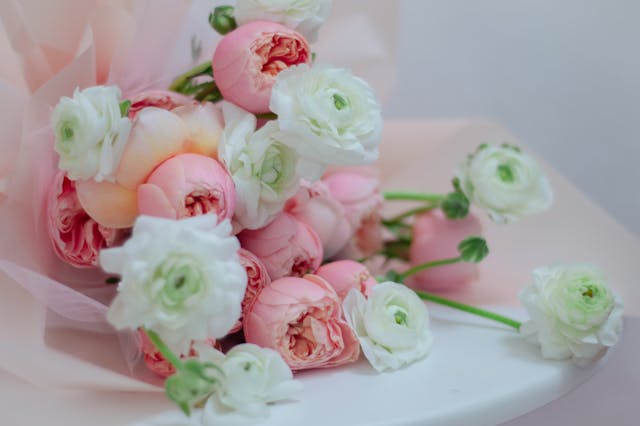

Light pink flowers are a staple in wedding and event florals – and for good reason. They scream “softness” and “sophistication” , but the truth is theyre a bit of a high maintenance dream. Pale petals show damage way easier than deeper tones so even a little bruising or discoloration can make even the prettiest blooms look less than perfect.
Getting it right with light pink flowers is all about more than just pretty designs – it’s about variety selection, handling, and where youre getting them from. Understanding which flowers play nice and how to get them in the best possible shape can save you from waste and make your job a whole lot easier.
Why Light Pink Flowers Need to be Handled with Care
Compared to their deeper cousins, light pink flowers are waaay less forgiving when it comes to harvest, transport, and storage. If you cut them too early or leave them in storage too long, or if the temps get a little wonky, those petals are gonna start to turn brown and lose their luster.
And that makes variety choice super important for wholesale buyers like you. Some flowers are naturally more resilient, while others need a shorter supply chain and faster turnaround to make the cut (no pun intended).
Key things to keep in mind when selecting wholesale light pinks include:
- Petal thickness and structure – do they hold up or are they gonna wilt on you?
- Vase life – will they last the whole event or are they gonna start to look sad after a day or two?
- How sensitive are they to bruising – can they take a few bumps and scrapes or are they gonna be a total loss?
- Seasonal availability – are they gonna be hard to get when you need them?
Reliable Types of Light Pink Flowers for the Job
When your clients ask for “soft pink” theyre usually after a look, not a specific flower. The varieties below are popular because they strike the right balance between style and substance.
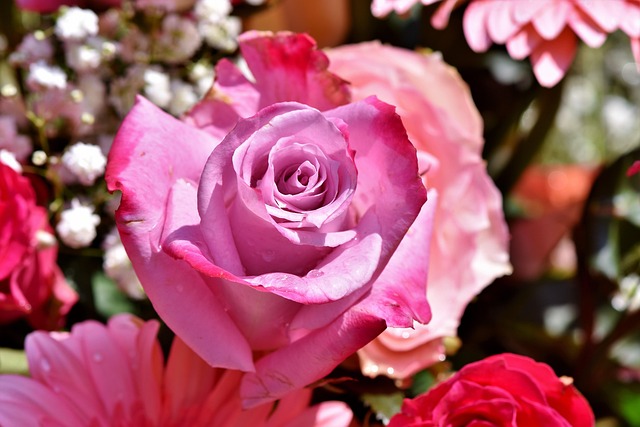
Image Source: pixabay
Garden Roses
Garden roses are still the go-to light pink flower for most arrangements. Soft blush or dusty pink varieties are particularly popular for their scent, layered petals, and that just-cool look. Some are more delicate, while others are bred to last longer, so you can plan for events with longer timelines with more ease.
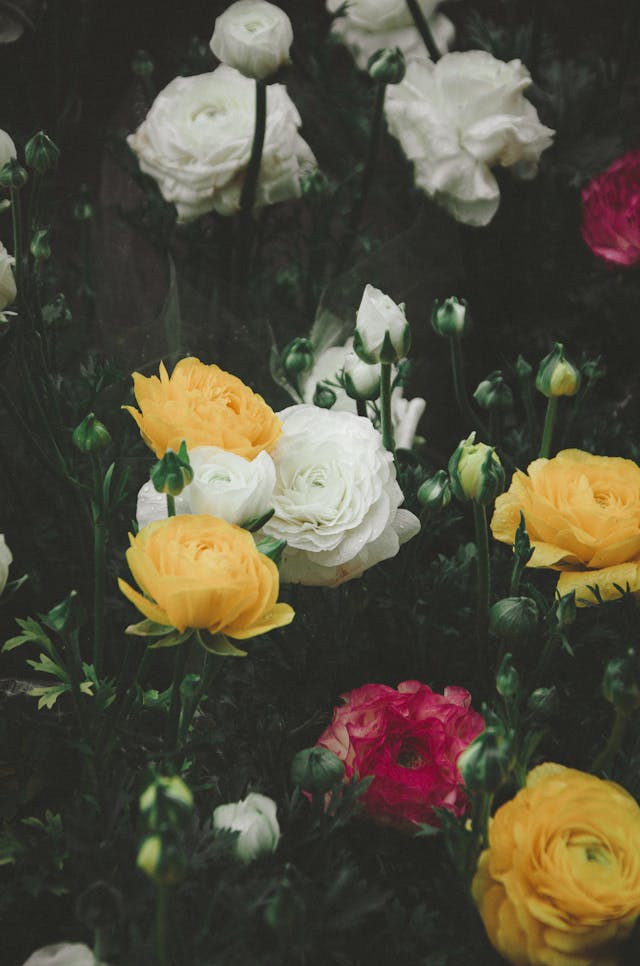
Ranunculus
Light pink ranunculus pack a big punch in a small package. Their dense, layered form makes them visually interesting even in small quantities – but they do need to be treated with care because theyre super sensitive to heat and handling. Best results come from getting them at peak season and using them ASAP.
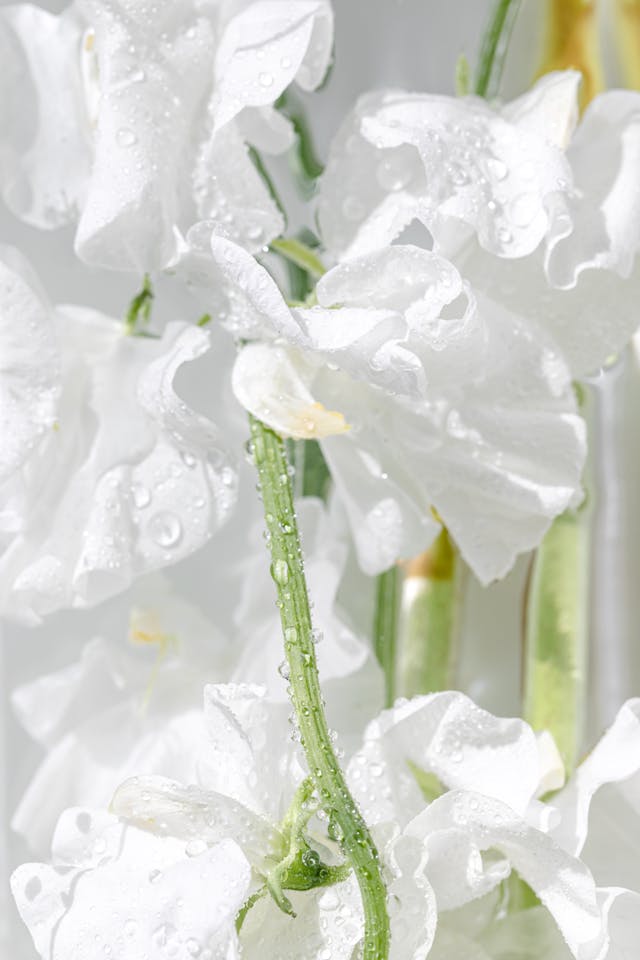
Sweet Peas
Sweet peas add a romantic, whimsical touch to any bouquet. Their thin stems are super flexible, but their petals are super delicate – so theyre best used as accent flowers rather than the structural elements. They do need a bit of TLC to get the most out of them, though.
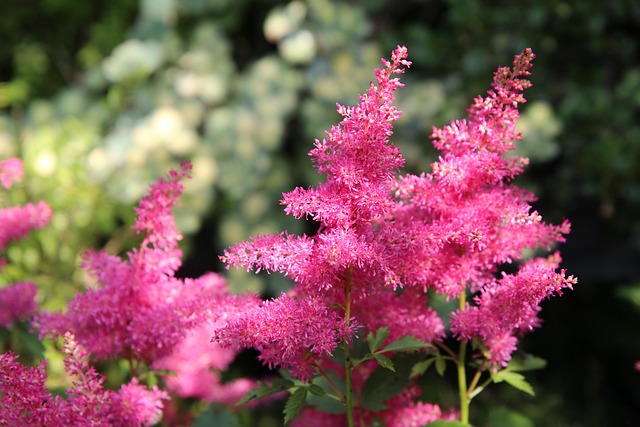
Image Source: Pixabay
Astilfe
So named because of its feathery texture , Astilbe is a great contrast to smooth, rounded blooms. Pale pink varieties are commonly used as fillers and work particularly well in romantic or garden-style designs. But be warned – availability is seasonal and stem strength can vary.
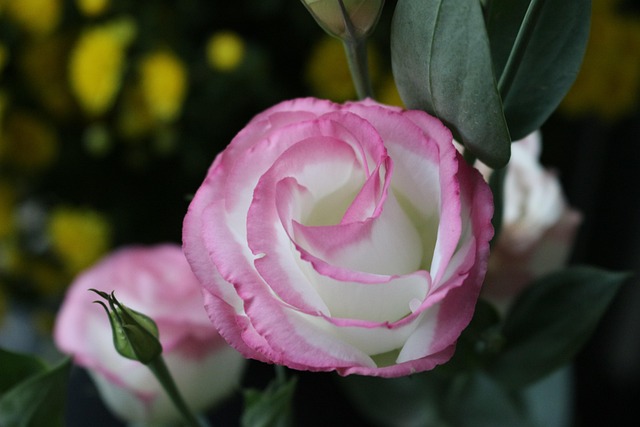
Image Source: Pixabay
Lisianthus
Lisianthus is a perennial fave among light pink flowers – and for good reason. They offer a crazy long vase life, sturdy stems, and that just-opens-up-to-be-even-bigger-and-more- gorgeous look once theyre open. This makes them a solid choice for large-scale arrangements and events where longevity is key.
Seasonality And Availability Considerations
Light pink flowers can be pretty finicky when it comes to the time of year they’re available. You’ve got your Ranunculus and sweet peas which tend to do their thing best in the cooler weather, while garden roses are in most places all year round depending on where they’re from.
When it comes to buying wholesale flowers, keep in mind that:
- you should basically always confirm what months you can expect to get deliveries
- be prepared to have a bit of variation when it comes to shades of light pink from one season to another
- try to keep your design palette a little bit flexible so you can swap in substitutes when necessary
Generally, you can get better flower quality and lower costs by designing with seasonal peaks in mind.
Choosing Greenery That Works Well With Light Pink Flowers
The greenery you choose can have a huge impact on how those delicate light pink flowers look. If you’re going for that pale pink look, cooler and more muted greens can really help bring it out, while bright green or yellow-green foliage can totally overpower them.
Some popular choices for greenery that complement light pink well are:
- eucalyptus – the blue-green varieties in particular do a great job of adding contrast without being too much
- dusty miller – it’s got a really soft, silvery quality that works well with a muted palette
- olive branches – they add some really nice structure and a down-to-earth feel
Using greenery with a bit of a temperate tone helps keep everything looking balanced and not too jarring or busy.
Practical Guidance for Buying Wholesale
Buying wholesale is more complicated than just finding the cheapest flowers on the market. You’ve got to think about quality, consistency, and timing as well.
When you’re evaluating suppliers, look at:
- whether they’re more cut-to-order or stocking up on pre-made inventory
- how long it takes for their flowers to get to you
- whether they take care of flowers properly when they’re in transit
- whether they’re upfront about where the flowers come from and when they were harvested
Generally, shorter supply chains are a bit safer because there’s less risk of all the things that can go wrong with those flowers. Plus, buying from multiple sources can be a real lifesaver if you’re doing a lot of events or busy seasons.
Storage and Handling Tips to Make Flowers Last
Once those flowers show up, you’ve got to handle them right, or they’ll be toast:
- recut those stems right off the bat and use some clean tools
- make sure to use clean water and the right kind of hydration solution for them
- keep the light pink varieties away from any fruits that are sensitive to ethylene, or they’ll go bad on you
- don’t overcrowd them while they’re in the fridge
All these steps can make a real difference in how long those flowers last.
A Final Word on Light Pink Flowers
At the end of the day, light pink flowers are still a vital part of floral design – but they’re pretty high maintenance and demand some thought. By prioritizing things like seasonality, flower strength, and how you handle them over just getting the cheapest flowers you can, you can usually get some pretty consistent results and avoid last-minute substitutions.
This approach isn’t just good for getting better design, it’s also a lot better for planning and pricing out events and everyday work. It’s all about making things work a bit more smoothly.