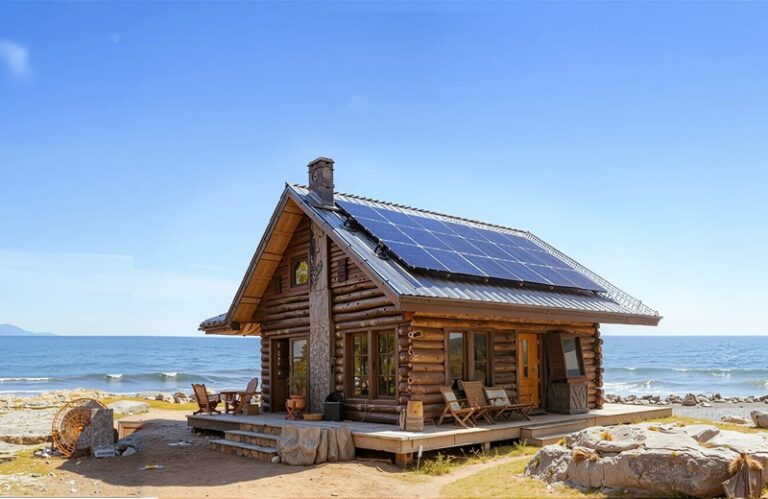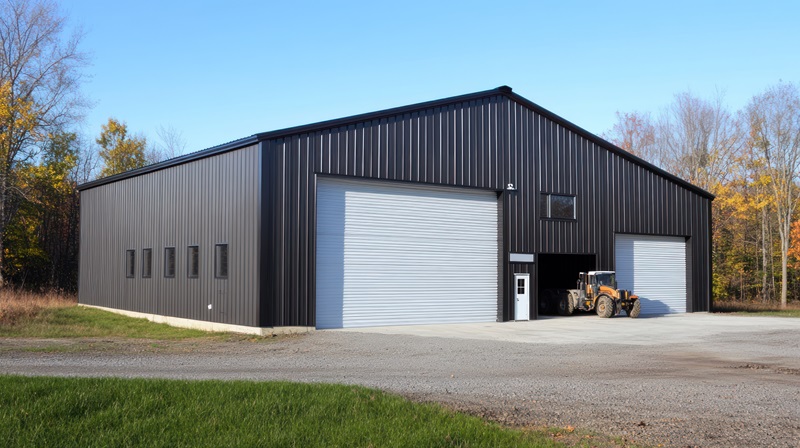

That old farmhouse shed, the one with its timeless charm and solid build. Its uses go way beyond just being a nostalgic throwback to country life. On a real working farm, a shed like this is a valuable, hard-working asset that can be put to all sorts of tasks beyond just storing stuff. Whether you’re building a new one from scratch or trying to give new life to an existing one, here are some smart ways to get the most out of that farm house shed on your land.
1. The Ultimate Tool & Equipment Loft
A shed for tools and smaller equipment is a total game-changer for farm operations. It keeps your gear safe from the elements, saves you from wasting hours hunting for stuff, and gets your equipment to last longer too.
Look for a design with a solid plywood floor that’s built to handle big stuff – tractors, quads and all the like. And make sure it’s got a good solid timber frame to back it up. That way, you can keep the main barn clear for bigger livestock or hay. And if you’re in Western Australia, you want a design that’ll stand up to the local weather. You should check out some of the good farm sheds builders in Perth – they’ll know what it takes to get a shed that’ll make it through the seasons.
2. A Greenhouse & Storage all in One
Now that’s what I call getting the most out of a shed. Pair up a greenhouse with some storage and you’ve got the perfect setup. You can have one section with shelving and all the gear you need to get your plants growing – and the other section can just be a regular old storage shed for all the other bits and bobs you need.
It’s perfect for getting a head start on the growing season, raising seedlings, or just keeping all your gear tidy and dry next to the work area.
3. Livestock Support & Shedhousing for the Animals
Farmhouse sheds really shine as auxiliary livestock buildings on modern farms. They can be easily converted into a spot for chickens, a pen for lambs or goats, and so on. If you add a Dutch door, you get some super effective ventilation and a way to keep an eye on what’s going on inside – not to mention some added control over those critters.
For bigger animals, you can use a design inspired by old wooden barns or horse barns, but on a smaller scale. That way, they get some decent protection from the elements.
4. Farm Stand & Make-a-Pretend-Tourist-Spot
If you want to start selling direct to consumers, you can turn a shed into a really attractive farm stand. Just slap on a ridge porch with some string lights, some patio stones and voila – you’ve got yourself an inviting entrance.
Inside, you can use it to show off the wares – produce, eggs, whatever. And it’s way more fun than just slapping up a table at the end of the driveway. People like to be wowed a bit.
5. Workshop & Repair Station – you know, the essentials
Every farm needs a place to tinker, fix stuff, and whatnot. A well-lit shed with decent flooring, plenty of outlets, and some workbenches is the perfect kind of workshop.
That way, you can keep your main house and barn from getting cluttered with tools and stuff, and it’s also a great place to just get down to work without bothering anyone else.
6. Hospitality & Guest Room – or whatever you call it
As agritourism takes off, a tidy old farmhouse shed can be turned into a quite nice little house for visitors, or a comfy lounge for kin, or just a little hideaway for farm hands.
If you add some real insulation, get the basics in, and have a bit of flair with the decor, you open up a whole new revenue stream, just by adding a bit more utility to your farm.
7. Outdoor Kitchen & Harvest Processing Station – think BBQs and so on
If you’re the kind of farm that’s all about processing your own stuff, or just like to get the crew together for some grub, then a shed with a dedicated outdoor kitchen is going to be a real winner.
Add in some proper counters, sinks, refrigeration, and a bit of cooking gear, and you’re good to go for all those canning parties and meat processing days. And, of course, it keeps the mess out of the main kitchen and makes for real easy cleaning.
8. Garden Shed & Potting Station – just make it pretty
For farms that are really into horticulture and flowers, a proper garden shed is a total must-have. Use it to stash the delicate gear, arrange your bouquets, and keep all your seeds from going woof.
Cedar shelving is a nice touch – it smells nice and keeps any unwanted critters out. And when you’ve got a place that’s just for gardening, it makes the whole thing a real pleasure – not just a chore.
9. Year-Round Feed & Tack Storage – A Game Changer for Your Farm
A decent sized dry storage shed for your feed and tack is pretty much a must-have for running your farm efficiently and keeping costs down, especially if you’re into regenerative agriculture and know that the quality of the feed is what really matters for the health of your soil and animals.
A top-notch shed is going to keep your expensive grains, hay and supplements dry, pest-free and from going to waste. And its also going to stop all that feed going stale, preserving as much of the nutritional value as possible. On top of all that, having a well-organized space makes it a no-brainer for getting the most out of your feed rotation and managing your inventory properly – while keeping your tack (think saddles, bridles and all that good stuff) safe & in top nick.
When it comes to designing a shed for this sort of thing, using traditional wood barns as a starting point in a smaller package is a great idea. So that means using pressure-treated beams and floor joists to make sure it can handle the load of all those heavy pallets of feed.
The Bottom Line
When it comes to finding the perfect shed, there’s not just one way to do it. If you’re the handy sort, building a modern farmhouse shed using pre-made wall panels is a pretty quick and easy way to get something up and running. On the other hand, if a classic look is more your thing, building from scratch using quality timber lets you do things your way and get the exact look you want. And whether its just a simple backyard shed or a full-on horse barn shed, the key is to match the quality and the materials to the job it needs to do.