
Image Source: Pixabay
People walk beneath roofs, walkways and canopies every day without giving much thought to the clear sheet above them. Polycarbonate blends into the background, it keeps the space bright and stays strong in rough weather. It’s an incredible material, but most passersby still assume they are standing under glass.
That quiet presence is a sign of how widely polycarbonate has shaped outdoor structures across the UK, from garden spaces to busy public routes. Stick around until the end of our fascinating article to see how this material supports daily life without drawing attention to itself.
How Polycarbonate Blends Into Everyday Spaces
Polycarbonate often appears in places where clarity and strength must work together. Garden canopies, lean-to roofs, porch covers and school walkways all use it because it keeps views open while handling frequent knocks and pressure.
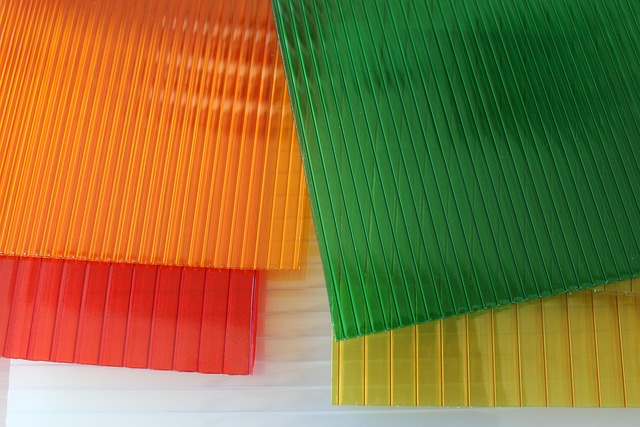
A strong, clear polycarbonate sheet offers high impact resistance and consistent clarity, which helps installers create protective roofs that look familiar but behave quite differently. The material bends slightly when struck. This means that it doesn’t crack, and keeps the area below safe during busy outdoor use.
Why Polycarbonate Serves Outdoor Structures So Well
Outdoor environments put glazing materials under constant strain since roofs face heavy rain, temperature swings and repeated handling. Polycarbonate supports these loads well because its structure resists cracking when hit and stays stable even when exposed to significant temperature changes.
Designers also value the way polycarbonate manages light. Many sheets include coatings that help reduce ultraviolet rays so outdoor spaces can stay bright without exposing people beneath to harsh glare. The material keeps its clarity for long periods, which helps maintain the original look of walkways and canopies.
Public areas often rely on durable glazing that breaks safely during impact. Polycarbonate does not shatter into harmful shards which helps reduce injury risk in schools, sports grounds and busy commercial sites. This makes it well suited to places where people gather or move quickly, such as station entrances and cycle stands.
How Outdoor Uses Keep Expanding
Residential and public settings both use polycarbonate for reasons that often go unnoticed. In homes it appears in patio roofs, pergola covers and garden shelters where it protects furniture and footpaths while still letting daylight reach the area. Many homeowners only realise the material is not glass when they tap the sheet and feel the slight flex that glass panels do not offer.
Public infrastructure uses polycarbonate for the same reasons but at a much larger scale. Bus shelters, station barriers, covered school routes and cycle parking areas rely on it to keep spaces bright and secure. People look through the clear panels every day without knowing that they are made from a thermoplastic rather than traditional glazing.
A Clear Material That Quietly Shapes Outdoor Life
Polycarbonate remains unnoticed not because it lacks character, but because it performs its job perfectly, without fuss. It supports roofs, shelters and canopies in residential gardens and has various uses for public infrastructure. Polycarbonate allows people to move through bright, protected spaces without pausing to think about the sheet above them.
As more designers look for clarity, strength and safe performance in outdoor glazing, polycarbonate will continue shaping spaces in ways that feel natural and easy to overlook.