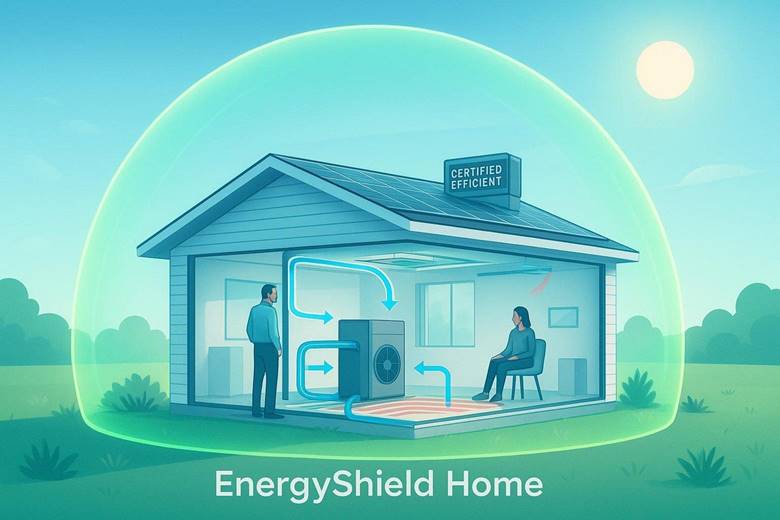

Making your existing heating system run a heck of a lot better can really help reduce its impact on the environment. When it’s working smoothly, it uses less energy which means less fuel gets burned and fewer greenhouse gases are just dumped into the atmosphere.
Simple steps like regular maintenance, smart controls and just a few small upgrades can make a massive difference. You can keep your building warm as a bug in winter, but use a lot less gas, oil or coal in the process. And let’s not forget the added bonus of your equipment lasting longer – which means less waste and the need to keep buying new materials.
The idea that the only way to stay warm is to just burn more fuel is slowly dying on the vine. Optimization is all about treating energy with care and respect – and that means making the most of every unit of energy you use. From giant office buildings to tiny homes, that cleaner future often starts with the heating system you already have.
What the Environmental Impact of Heating Systems Actually Is
The Carbon Footprint of Traditional Heating
Too many heating systems rely on fossil fuels like natural gas, oil or coal. When you burn these fuels, they release carbon dioxide and a whole host of other gases that just make the planet warmer.
The International Energy Agency says that buildings gobble up around 30% of global energy, and they also account for about 26% of the energy-related emissions. And a big chunk of that comes from heating up the indoor air.
In the US for example, heating can account for around 32% of energy use in commercial buildings. And when your heating system isn’t working properly, it just burns more fuel than it needs to, which raises energy demand and puts a lot of pressure on power plants.
Even if you’re using electric heating, it can still cause pollution – especially if it’s coming from a source of electricity that runs on fossil fuels. So, the efficiency of your heating system really is a major player in cutting emissions worldwide.
Air Pollution – The Unhealthy Side of Heating
Traditional heating systems can also have a pretty nasty impact on air quality and people’s health. Burning all those fossil fuels releases all sorts of nasty gases and tiny particles into the air – which can create nasty smog and make breathing even harder for people with conditions like asthma.
If you live in a city, it’s not uncommon for loads of heating units to be running at once – which can make the air pollution pretty serious. Poor air quality can trigger all sorts of lung problems and other health issues.
Inside a building, poor maintenance can be even more hazardous. If your heating system isn’t burning fuel properly, it can lead to carbon monoxide building up – which has no colour, no smell and can be deadly. Regular servicing is key to getting your system working the way it should, so it’s burning fuel properly and moving air around properly – all of which helps keep the air inside your building safe and the emissions low.
“Many people don’t realize that heating systems affect not just energy bills, but also indoor air quality and health. Proper maintenance and correct airflow are essential to prevent dangerous gases from building up and to keep emissions as low as possible,” says Michael Janssen, Heating & Chimney Systems Expert at Flue-Pipes.com.
Resource Use and Global Warming
The damage from global warming starts long before we burn a single gallon of fuel. To get to those fossil fuels, we need to dig and drill and that can cause all sorts of harm to the land, pollute our waterways and really disrupt wildlife.
Every bit of oil or gas you dont use is a reduction in the amount of damage that needs to be done. Making tiny tweaks to the systems you have can make a big difference – they can use a lot less fuel and protect the natural world.
A lot of older heating systems are also using refrigerants that are heat-hungry and do some serious damage to the planet. And if those systems aren’t properly looked after they can just leak away. Just one pound of some of these refrigerants can have the same warming effect as thousands of pounds of carbon dioxide.
Fixing leaks and upgrading the equipment is a pretty straightforward way to stop these releases happening in the first place and keep all those worst-case climate pollutants out of the air.
How Optimizing Heating Systems Helps the Environment
Better Efficiency Cuts Carbon Emissions
When I talk about optimising heating systems, I mean doing the same job but using less energy. When a heating system is working properly it uses as little power as possible to get to and stay at the temperature you want.
Doing simple maintenance can even boost efficiency by up to 15%. That’s a big deal because it means less pollution every single hour the system is running. And if you multiply that across millions of buildings, it starts to add up to a really big climate benefit.
Newer systems are designed to move heat around rather than try to make it from scratch. Heat pumps, for example, pull heat out of the air or the ground and use a lot less energy to do it. Because they’re so good at moving heat around they can deliver three or four times more energy than the electricity they use. That’s a huge reduction in carbon output.
Lower Fuel Use Saves Natural Resources
Using less fuel really is a big deal – it slows down the rate at which we run through our limited resources. Even in big buildings, a small efficiency gain can save tens of thousands of tons of fuel every year.
Lower demand also means less pressure to go and dig up or mine more stuff in sensitive areas. And that in turn means more protection for the land and the ecosystems that depend on it.
Improved systems are getting good at reusing heat that would normally just get dumped out. They pull heat from exhaust or other processes and send it back into the system to be used again. By reusing that energy, buildings can use less new fuel and waste less energy overall.
Longer Equipment Life Means Less Waste
The impact of using heating equipment isn’t just about the emissions when it’s in use – it’s also about the impact of making and then throwing the thing away. Building a new boiler or HVAC unit is a big deal – it takes a lot of energy, metal, and water to do it.
And when you don’t take care of equipment, it fails sooner rather than later – and then we just go and build another one. It’s a vicious cycle of taking raw materials, building new equipment, and chucking old units in the bin. Regular care and maintenance can make all the difference, so that equipment lasts longer.
If a system runs well for twenty years instead of twelve, its impact is spread out over a much longer period of time – which means less waste and fewer emissions from making and moving all that heavy equipment. In a lot of cases, the greenest heating system is the one you’ve already got – as long as you’re taking care of it properly.
Key Ways to Give Your Heating System a Boost
Keeping Maintenance in Check
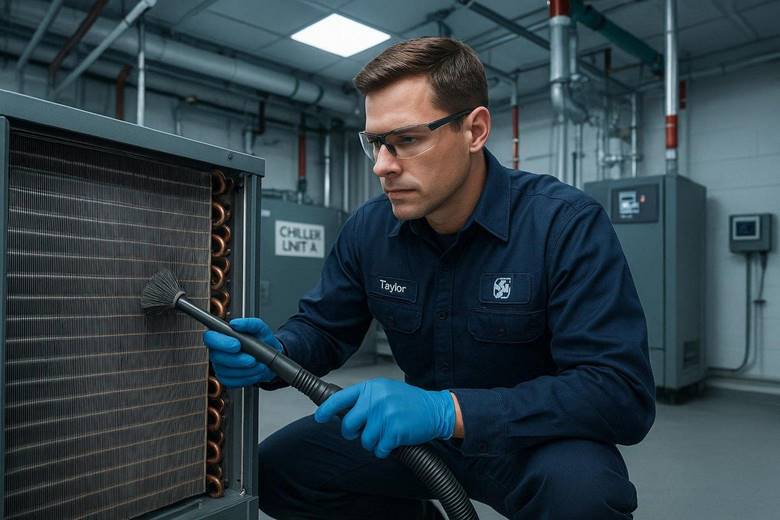
The simplest and most effective way to boost your heating system is regular maintenance. Cleaning those coils does a world of good by letting heat move more freely. And when it comes to hot-water systems, getting rid of sludge and scale is a breeze. It makes for smooth water flow, less strain on those pumps and boilers – which is a big plus.
When your system is clean, it works better, and you burn less fuel in the process. Replacing air filters is another low-hanging fruit. A dirty filter just gets in the way of airflow and makes the system work way harder than it needs to. But routine checks by a trained technician can pick up on even the smallest of leaks or wiring issues early. Catching these issues before they become major problems can save you a ton of energy – and headaches.
Upgrading to Better, More Efficient Parts
You don’t have to rip out the whole system to get some serious performance boosts. Swapping out those key parts can make a huge difference. Take modern condensing boilers, for instance. Those things can hit efficiency levels of over 90% – and all because they reuse heat from exhaust gases instead of just blowing it off.
Other upgrades worth looking into are efficient motors, those variable speed drives, and better pumps. These upgrades let the system run at the exact level it needs to, rather than always running it at full bore. You’d be amazed at how much energy savings come from running at a lower or medium load.
Smart Controls and Thermostats That Know What They’re Doing
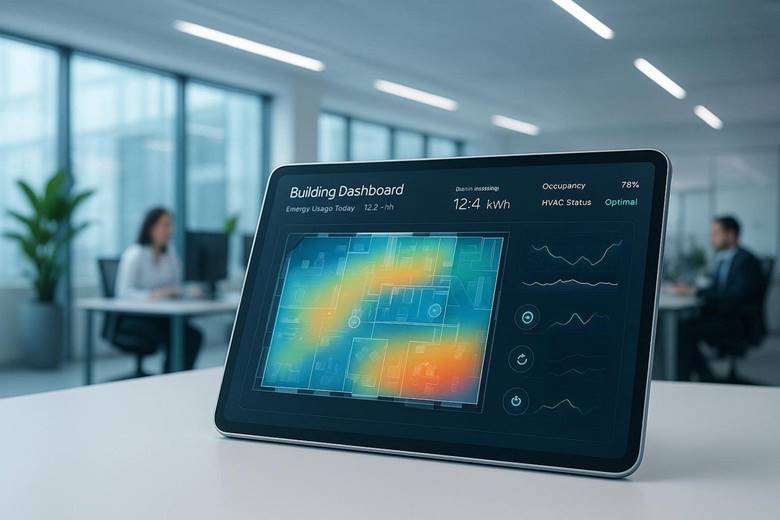
Smart thermostats are more than just on/off switches for your heating system. They use sensors and real-time data to adjust the heat levels based on how many people are in the room and what’s going on outside. This way, you’re not heating empty spaces, and you’re not wasting energy.
For larger buildings, you can use demand-controlled ventilation to scale back the fresh air intake based on how many people are inside. This means you’re not wasting energy on heating up air that’s just going to be blown back out.
Sealing the Deal with Better Insulation
Your heating system can only do so much if heat is just escaping the building through gaps and cracks. Better insulation in the walls, roof, and floors keeps more of that heat inside where it belongs. And let me tell you, when the system doesn’t have to work so hard to keep things warm, it uses a lot less fuel.
Making a habit of sealing up those gaps and installing double- or even triple-pane windows can also make a big difference. Sometimes, it even allows you to scale back to a smaller, more efficient system down the road.
Using an Energy Management System to Take Charge
Large buildings can really benefit from an Energy Management System, or EMS. These things give you real-time insights into how energy is being used – and where you might be losing some. With an EMS, facility teams can spot energy waste, track trends over time, and adjust the settings on the fly.
And it’s not just about fixing waste – an EMS can also coordinate the heating system with renewable energy sources like solar or geothermal. That way, you’re using the cleanest energy option available at any given time.
Measuring Environmental Performance
Energy Audits
The first step to a more sustainable heating system is an energy audit. That’s when a pro comes in and gives your heating system a good once over to assess its age, condition and overall efficiency. They take a close look at heat loss, check the insulation and actually test how well the system is working.
The results come back in the form of a clear plan of action – a list of quick fixes and larger upgrades that can be done to improve the system’s efficiency, all sorted out by cost and environmental impact.
Setting Benchmarks
To work out how well you’re doing, you need a baseline to compare things to – and that’s where metrics like performance ratings come in. These help you understand just how efficient your heating system is at the moment. And by comparing it to similar buildings in the area, you can spot where things are going wrong.
Having clear goals – like reducing emissions by 20% in three years, for example – helps guide decision and actions.
Ongoing Tracking
Making an energy efficient system work for you is an ongoing job. Keeping an eye on your energy bills helps you see just how much you’re saving – and advanced systems can even help you separate out your heating costs from other uses.
Watching how things change over time also helps you spot when your system is starting to slow down – and taking care of things early on can prevent bigger problems down the line.
Financial and Sustainability Benefits
Lowering Your Bills and Fast Payback
Making your heating system more efficient can save you money and reduce your carbon footprint. Lower energy bills mean lower costs, and simple fixes often pay for themselves quickly.
Larger upgrades – like high-efficiency boilers or heat pumps – can bring long-term savings and reduce the risk of being hit by rising energy prices.
Keeping Up with Environmental Rules
In many places now, there are strict limits on building emissions – and local governments are enforcing those rules. If your heating system isn’t up to scratch, you could end up with fines and penalties.
Upgrading your system early on can help you meet those rules and avoid any future costs.
Common Challenges and Solutions
Sticking to a Budget and Making it Pay
Upgrading your heating system can be expensive – and that’s often the biggest obstacle. But there are plenty of programs around that can help reduce the upfront costs. Governments often offer tax credits and grants, and utilities can provide rebates.
When you factor in the incentives, efficient upgrades often become the most cost-effective choice in the long run.
Working with Older Buildings
Older buildings can be tricky to work with – especially if you’ve got old ducts or a cramped equipment room. But with some careful planning, it’s often possible to make things work.
In some cases, all you need to do is switch to a low-impact refrigerant and you can improve the system’s performance without having to replace the whole lot. It’s worth working with a skilled HVAC pro who can help you match the solution to your building’s needs.
Frequently Asked Questions
Do upgrades to old systems really help?
Yes. Older systems often have the most room for improvement. Cleaning, sealing leaks, and balancing heat flow can deliver large efficiency gains.
Are heat pumps or solar systems required?
No. These systems help, but they are not the only option. Insulation, controls, and targeted upgrades can still cut emissions significantly.
Key Takeaways
Cleaner heating usually comes from many small steps. Regular maintenance, smart controls, and insulation work together for best results.
Studies show that even as systems move toward electricity, success depends on efficiency and heat retention. Coordinating system upgrades with building improvements is key to a low-carbon future.
Reducing heating impact is a shared effort. Owners, managers, and technicians all play a role. Along with cost and climate benefits, these actions improve comfort and public trust. Buildings that act now will lead the way toward a cleaner future.