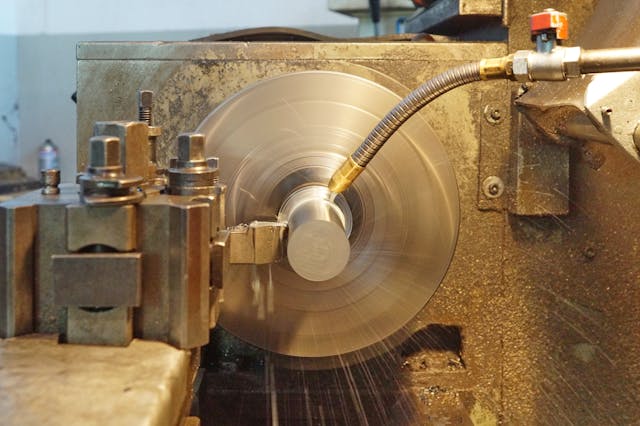

Manufacturing often gets talked about like it’s a problem waiting to be fixed, usually through big ideas like energy grids, emissions numbers or supply chains stretching halfway around the world, but sustainability doesn’t always begin with massive systems. Sometimes it starts quietly, right on the workshop floor. Lathes are part of that story. They’re not trends or products to hype, just solid tools shaping how materials get used, reused and respected.
When people look for lathes for sale, they’re usually thinking about capability. What their shop can make, repair, or avoid scrapping. That’s where sustainability slips in, almost unnoticed. Modern lathes don’t brag about impact, but precision machinery has always reduced waste, cut rework and kept parts in use longer. In a world trying to do more with less, that still matters.
What Is a Lathe and How It Helps Cut Waste in Modern Manufacturing
At its simplest, a lathe is a machine that shapes material by rotating it while a cutting tool removes excess. It sounds basic and in many ways it is. But that simplicity is exactly why lathes have lasted for centuries, adapting quietly to new materials and tighter standards.
How Lathes Work (Simple, Non Technical Explanation)
Instead of pushing a tool through a stationary block, a lathe spins the workpiece itself. The cutting tool stays controlled and steady while the material moves. This setup allows for smooth, accurate shaping that is hard to achieve any other way.
Turning shapes the outer surface. Facing cleans up the end of a part. Threading adds functional grooves so parts can fit together securely. These actions repeat across industries, often unnoticed.
Lathes remain essential in places like
- Repair and maintenance shops
- Fabrication and metalworking
- Prototyping and product development
They commonly machine materials such as steel, aluminum, brass and various alloys, all of which carry significant energy and environmental costs before they even reach the shop floor.
The Role of Precision in Reducing Material Waste
Precision is not just about perfection. It is about restraint. Tight tolerances mean parts fit the first time. Less scrap is generated. Fewer pieces get rejected and reworked. Secondary machining becomes unnecessary.
From an environmental view, precision equals efficiency. Efficient use of raw materials reduces extraction demand, lowers energy use and shortens production cycles. Modern lathes support this without needing dramatic changes to manufacturing workflows.
Types of Lathes Used in Modern, More Sustainable Manufacturing
Different manufacturing environments call for different machines. Sustainability here is not about choosing the newest option but choosing the right technology.
Metal Lathes for Sale: Industrial vs Workshop Use
Metal lathes for sale often fall into clear categories based on scale and purpose. Bench lathes support small, precise work. Engine lathes handle heavier cuts and longer parts. Toolroom lathes balance accuracy with flexibility. CNC machines automate repeatable tasks but still rely on the same fundamental principles.
Typical use cases vary widely
- Light repair and part refurbishment
- Small batch production
- High precision industrial components
Materials supported range from soft metals to hardened steels. Skill levels also differ, from hands-on manual operation to programmed workflows. Choosing appropriately avoids overspending and underusing resources.
Wood Lathes and Their Applications
Wood lathes play a different role but still matter in sustainability conversations. Furniture making, architectural restoration and small scale production all rely on turning techniques that preserve material integrity. In restoration especially, lathes allow damaged components to be recreated instead of replaced entirely.
How Much Do Lathes Cost? Understanding Price Ranges
Cost questions come up early and understandably. But price often reflects longevity, not just features.
Entry Level vs Professional Lathe Pricing
Prices typically range based on size, precision and durability. Entry level machines serve hobbyists and light repair. Mid range models support small shops. Industrial machines operate continuously for years.
| Lathe Type | Typical Price Range | Common Users |
| Small bench lathe | $700 to $2000 | Hobbyists light repair |
| Mid size metal lathe | $2000 to $6000 | Small shops |
| Industrial metal lathe | $6000 plus | Manufacturing facilities |
| Wood lathe | $400 to $4000 | Woodworkers |
These ranges reflect capability more than branding. Well maintained machines often outlast trends.
How Much Are Wood Lathes Compared to Metal Lathes?
When people ask how much wood lathes are, the answer is usually lower. Metal lathes require stronger frames, higher torque and tighter tolerances. That added complexity raises costs but also expands what can be repaired instead of replaced.
Environmental Benefits of Modern Lathes in Manufacturing
Sustainability is rarely one big decision. It is a series of small, consistent ones.
Energy Efficiency Improvements in Modern Machines
Modern motors use less power for the same output. Variable speed controls reduce unnecessary load. Idle power consumption has dropped significantly. These improvements may seem incremental, but over years of operation they add up.
Supporting Repair, Remanufacturing and Circular Economies
Perhaps the greatest environmental benefit is repair. Lathes allow worn parts to be restored. Shafts get resurfaced. Threads get renewed. Local repair avoids long shipping routes and delays. Products last longer, which quietly reduces demand upstream.
Why Equipment Quality Matters More Than Ever
Cheap tools come with hidden costs. Environmental and operational.
Durability and Long Service Life
Many lathes remain in service for decades. Fewer replacements mean lower lifecycle impact. A machine that lasts thirty years carries a very different environmental footprint than one replaced every five.
Access to Parts, Support and Long Term Maintenance
Reliable suppliers matter. Access to parts keeps machines running instead of being discarded. Support extends usability. This is where established sources like reliability matter across industries, even if the products differ. Longevity is sustainability in practice.
Why Modern Lathes Are Part of the Shift Toward Lower Impact Production
Lathes are not disposable equipment. They are foundational tools that shape how materials are treated. Precision machining supports sustainability without needing to reinvent manufacturing. Smarter equipment choices benefit manufacturers, workers and the environment in ways that are often invisible but deeply felt over time.