
Image Source: Pexels
Living with a pet has a way of turning everyday life into a trail of small decisions. You buy food, sure. But you also buy bags, cleaners, toys, flea prevention, shampoo, replacement clips, and random things you swear you won’t need again.
That steady churn is where a pet’s footprint quietly grows. That does not make you wasteful. It just means pet care is a regular part of household consumption, and you can tighten it up without making life harder.
The upside is you don’t need a “perfect” eco routine to make a real dent. Small, consistent habits can cut trash, reduce chemical use, and still keep pet care responsible, healthy, and affordable.
1. Buy Better and Keep Gear in Use Longer
Start with the stuff that breaks. Not the stuff you wish you had, the stuff you keep replacing. Maybe it’s the leash clip that somehow snaps at the worst time. Maybe the bed cover rips, and you toss the whole thing even though the cushion is fine. Those repeat replacements cost money and create a steady stream of packaging and discarded material.
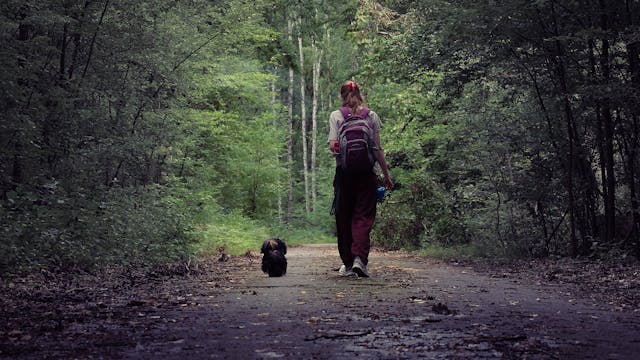
If your dog is walked daily, long-lasting walking gear is one of the easiest upgrades to justify. You don’t need five leashes; you need one that doesn’t fray and hardware that doesn’t fail. The same goes for harnesses that can handle regular washing without going stiff or misshapen.
Aim for fewer items that hold up, then maintain them. Wash and air-dry harnesses. Patch a bed cover. Replace a buckle or a clip if the rest of the item is still solid. If you have pet-owning friends or family, pass along what doesn’t fit anymore. Puppy gear is a classic example. It gets used for a blink, then sits in a drawer.
2. Feed With a Plan and Waste Less Food
Source: Pexels
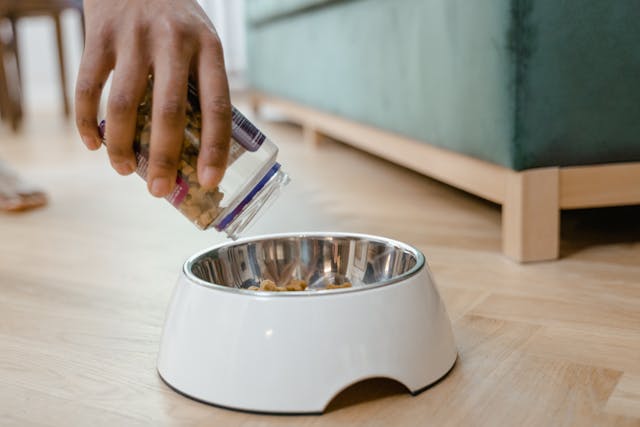
Food waste is one of those things that doesn’t look dramatic until you notice the pattern. A bag goes stale because it wasn’t sealed well. Wet food gets forgotten in the fridge. Treats turn into mystery crumbs in the back of a cabinet.
The simplest shift is buying the size you’ll finish while it’s still fresh. Bigger isn’t always better if it goes stale halfway through. Portion what you’ll use, cap leftovers quickly, and don’t be shy about smaller cans if you keep tossing the last third.
Same story with treats. A lot of households buy three kinds, forget two, and then toss the ones that go stale. Pick one or two that your pet actually loves, then use small pieces, especially during training. Your pet still feels rewarded, and you go through less overall.
3. Clean Smarter With Low-Tox Basics
Pets live low to the ground. They press their noses into corners you don’t notice. They lick their paws after walking across whatever you cleaned.
For most everyday messes, warm water and mild soap do the job. For pee odors, enzyme cleaners usually work better than scent sprays because they break down the compounds that cause the smell rather than just covering them up.
Rinse well so residue doesn’t stick around where paws walk. And save stronger disinfecting for moments when it truly makes sense, like after illness, not as an automatic daily routine.
4. Reduce Plastic in Poop and Litter Routines Without Cutting Hygiene
This is the part nobody wants to talk about, but it’s also where household pet waste gets very real, very fast. The goal isn’t to turn your life into a waste audit. It’s to stop doing the extra stuff that adds plastic without improving hygiene.
For dogs, use poop bags that are sturdy enough that you aren’t double-bagging out of fear. Keep a bag dispenser on the leash so you’re not buying emergency packs you forget about. At home, using a small bin with a tight lid helps a lot. It cuts odor, and it keeps you from tying up a fresh liner after every bathroom break.
For cats, litter choices can reduce impact, but they have to work in your actual home. Many plant-based options use materials like paper or wood rather than mined clay. That can be a better fit for some households, but the “best” litter is still the one your cat accepts and that controls odor well enough that you’re not dumping it early.
Also, even if a litter is marketed as biodegradable or flushable, stick to local disposal rules and what your cat tolerates. If something is causing box avoidance, or you’re constantly deep-cleaning because odor control is weak, the footprint can go up, not down. Consistency matters more than the label.
5. Buy Locally and in Fewer Trips
You can’t fully dodge packaging and shipping, but you can stop them from making the footprint worse than it needs to be.
Try not to treat pet supplies like emergency purchases. If you can see you’ve got a week or two left of pet products, plan it into your normal shopping and pick up a couple of things at once. It’s worth checking your local pet store before you default to delivery.
A lot of them stock the same food brands people order online. Some even have refill setups for grooming stuff, so you can top up shampoo instead of buying a fresh bottle again and again. One refill habit can cut a lot of plastic out of your routine.
6. Prep for the Changing Weather
Weather is a sneaky driver of waste. When conditions shift, and you’re unprepared, you tend to buy the quickest option, and the quickest option usually doesn’t last.
Start with the free stuff: routines. Walk earlier or later in hot weather. Pick shaded routes. Bring water when it’s warm. In cold or wet conditions, dry your pet well and keep sleeping spots warm so you’re not compensating with extra washing and constant laundry.
When you do need add-ons, buy for durability and safety, not for looks. A solid rain layer can cut down on towel loads. Paw balm can help reduce dryness and cracking from cold air or salty sidewalks. This kind of seasonal protection is practical. It saves you from those annoying, wasteful “emergency” purchases when the weather turns and you realize you don’t have what you need.
Conclusion
Eco-friendly pet care doesn’t need to be loud or performative. It’s mostly quieter choices that you repeat without thinking. You buy fewer items that last, you waste less food, you clean with simpler products, you cut back on plastic where it doesn’t add safety, you shop in fewer trips, you plan for the weather, and you prevent the problems that trigger frantic buying. Your pet still gets good care. You still get a life. And over time, the footprint of everyday pet ownership gets noticeably lighter.