
Buying a new ring can harm the planet. Making diamonds and gold uses a lot of energy and water. Mining also hurts land, forests, and rivers. It can even harm workers and local communities.
Studies show that mining one carat of diamond can create more than 125 pounds of carbon emissions. Gold mining needs huge amounts of water and can cause soil loss, mercury pollution, and damage to forests.
Some brands try to follow safe rules, but it is still very hard to check where every stone or metal comes from. Supply chains are long and complex. Because of this, it is difficult to be fully sure that a ring is truly ethical.
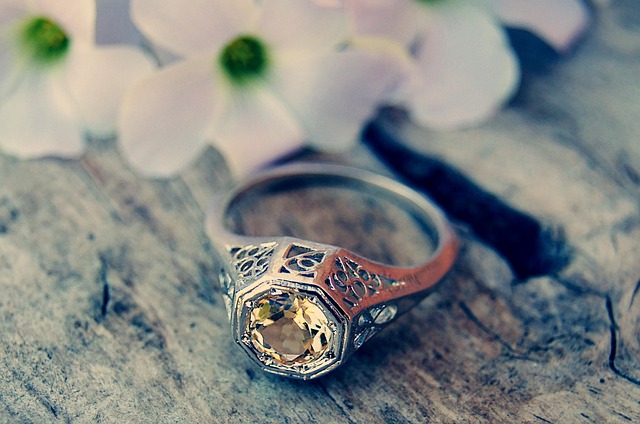
Vintage and second-hand rings avoid these problems. They do not need new mining at all. By choosing a ring that is already made, couples can reduce their carbon footprint and help protect nature. It is one of the most eco-friendly choices for people who want a ring with both beauty and purpose.
Eliminates the Environmental Footprint of New Mining
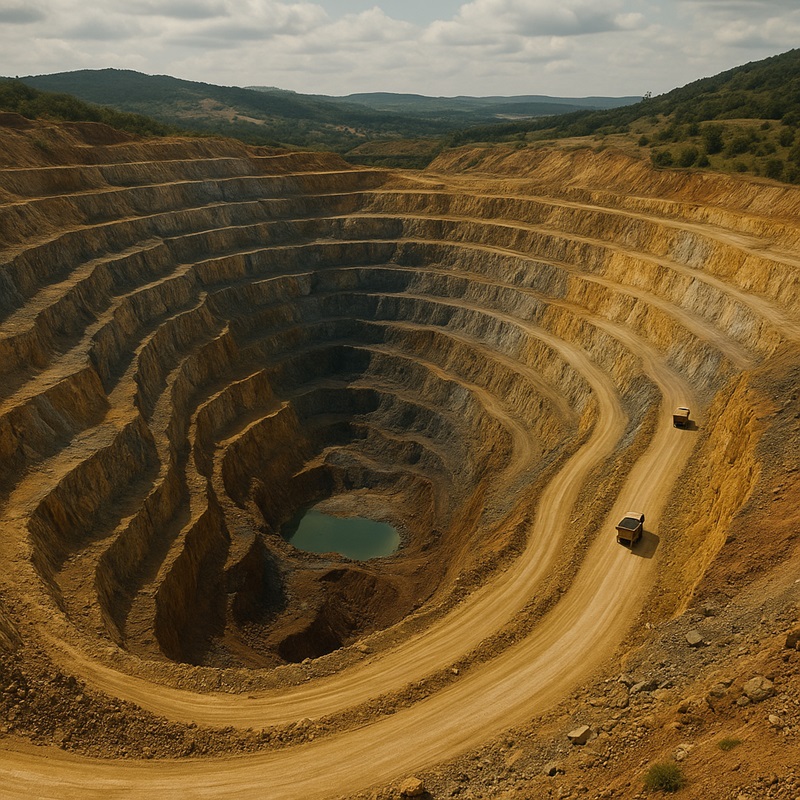
Mining is the most harmful part of making new jewelry. It uses a lot of water, energy, and chemicals. It also damages land and habitats.
Diamond mining creates high carbon emissions and toxic waste. Gold and platinum mining use huge amounts of water and often cause mercury pollution. These mining sites push communities off their land and leave large waste piles. Studies show that mining enough gold for one wedding ring can create up to 20 tons of mining waste.
By choosing a vintage or a second-hand engagement ring, it can bypass this impact, as the materials already exist, meaning the destructive process that comes with sourcing raw minerals can be avoided, eliminating the environmental footprint that natural diamond mining brings.
Vintage rings avoid all of this harm. They do not need new metals or stones. They cause:
- no new mining
- no land damage
- no new water use
- no chemical waste
In simple terms, vintage rings are like 100% recycled jewelry. The materials already exist above ground, so no new digging is needed.
Ethical Value Beyond Modern Certifications
Many modern programs try to stop the trade of conflict diamonds. One example is the Kimberley Process. But many groups, including Human Rights Watch, say that problems still remain. It is still hard to know the true source of many stones. Even “ethical” gems depend on long and complex supply chains that are not easy to check.
Vintage rings avoid most of these issues. They were made long ago, before today’s mining problems. Because of this, they are not part of the modern conflict-diamond market. Many buyers like vintage rings because they offer:
- stones with no link to conflict today
- clear history without hidden supply chains
- peace of mind without depending only on certificates
Important Nuance
It is still true that old gold or diamonds may have come from hard times in the past. But buying a vintage ring does not support those old mines now. When you reuse a ring, you do not create new demand for mining. This is what matters most for ethics and sustainability today.
Supports the Circular Economy & Extends Product Lifespan
Vintage jewelry is part of a broader shift toward re-use over new production—an essential principle in the modern circular economy promoted by the Ellen MacArthur Foundation.
Buying vintage extends the life of precious materials already in circulation, which:
- reduces future mining demand
- prevents premature disposal
- adds value to existing craftsmanship
- reinforces long-term ownership culture
Built to last
Historic engagement rings—especially Victorian, Edwardian, and Art Deco examples—were often hand-fabricated using techniques that exceed industrial manufacturing standards. Many have survived decades of daily wear, proving their durability in a way new jewelry simply cannot.
Encourages Responsible Restoration Instead of New Production
Vintage rings help the planet even when repairs are needed. Changing size or fixing a stone uses very little new material. Jewelers can use recycled metals, small soldering work, and the same stones that are already in the ring. This makes the impact very small compared to making a brand-new ring.
Vintage rings also keep their value. New rings often lose value right after buying. Vintage rings may keep or even grow in value. This can happen because vintage styles are rare, handmade, or linked to special history. Big auction houses show that more young buyers want unique rings instead of common store designs.
Younger couples are changing the market. Many Gen Z and millennial buyers look for eco-friendly rings, one-of-a-kind settings, and old diamond cuts that are hard to find today. This growing interest helps keep vintage rings valuable for future resale or family use.
Vintage also compares well to other “ethical” choices:
Vintage vs recycled metals
Recycled metals stop new mining, but they still need melting and energy. Vintage does not.
Vintage vs lab-grown diamonds
Lab-grown diamonds skip mining, but they use a lot of energy in factories. Vintage uses no new material or energy.
Vintage vs ethical mining certification
Certification reduces harm, but mining still takes place. Vintage stops mining altogether.
Most Sustainable Engagement Choice
Vintage rings bring together beauty, history, and strong eco benefits. They avoid new mining and modern conflict systems. They keep precious materials in use for many more years. They also protect old skills and support a circular, low-waste way of buying jewelry.
By choosing a vintage ring, you:
- reduce mining
- avoid conflict minerals
- reuse valuable materials
- save rare craftsmanship
- support a greener future
Vintage rings are not only pretty. They are one of the most eco-friendly wedding choices you can make today. If you care about the planet, a vintage ring is more than a style choice. It is a real step toward a lower-impact life together.
Faq
1. Are vintage engagement rings really more sustainable?
Yes. Because vintage rings already exist, they require no new mining, refining, or gemstone extraction—making them the lowest-impact choice and effectively a form of recycling.
2. Are vintage diamonds conflict-free?
Vintage diamonds pre-date modern conflict-mineral systems, meaning they are not part of today’s supply chains. While origins weren’t always documented, purchasing vintage does not financially support modern conflict mining.
3. How do vintage rings compare to lab-grown diamonds?
Lab-grown diamonds avoid mining, but they still require significant energy. Vintage uses no new materials and no industrial energy, making it the most sustainable option overall.
4. Will a vintage ring need maintenance?
Possibly. Resizing, prong tightening, or polishing may be needed, but repairs use minimal resources and often rely on recycled metal—not newly extracted material.
5. Are vintage rings more expensive?
Not necessarily. Prices vary widely, but vintage jewelry often holds value better over time due to rarity, historical craftsmanship, and strong resale demand among collectors.
6. Do vintage rings hold their resale value?
In many cases, yes. Auction data shows consistent demand for antique rings, especially Art Deco and Edwardian pieces, which often appreciate over time.
7. Can vintage rings be customized?
Yes. Jewelers can reset stones, update settings, or adapt styles without requiring new gemstones or raw precious metals, keeping sustainability intact.