
In the recent past, there has been a shift towards renewable energy sources, such as wind, solar, and hydropower, bringing both opportunities and challenges. Yes, a huge shift. With this shift, power grids, equipped with innovative technology and efficient sensors are needed for quick data transfer and automated electricity regulation. This initiative aims to reduce costs, ensure maximum reliability, and minimize environmental impacts. Here are the additional challenges and opportunities that this brings about.
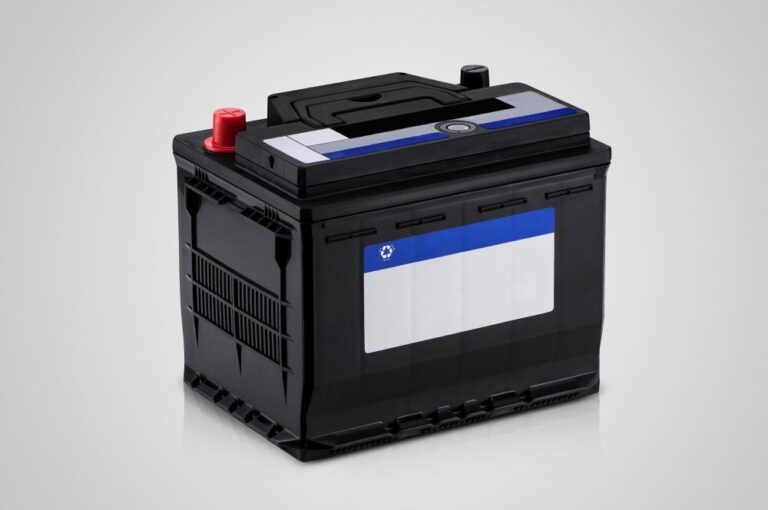
One major challenge is energy storage. Batteries and other systems are needed to save extra energy when production is low and use it when demand is high. This balance keeps the grid stable. It also helps local power supply and lowers energy loss during long-distance transmission.
Renewable energy, like wind and solar, depends on weather. These sources can change from hour to hour. This can affect voltage and power levels. While this is hard to manage, it also opens new doors. We can build many small power sources in different places, which makes the whole system stronger.
Adapting to new load dynamics
Old power grids were built for one-way power flow. Today, new grids allow electricity to move in two directions. This makes load balancing more complex. The good news is that many modern grids are designed to handle high energy use without harming the lines. They must also accept power from many small and spread-out sources.
As clean energy replaces fossil fuels, we need a strong and smart grid. This grid must support large cuts in carbon pollution. It also needs to grow clean electricity and keep energy prices fair. With this support, homes, cars, and factories can run on clean power instead of fossil fuels.
Grid automation and infrastructure limitations
In smart grids, automation is very important. Power failures or voltage changes can happen, but smart grids can detect problems fast. They use smart tools to watch performance and control power flow. This helps the grid fix itself, often before people notice anything. Users can also choose to lower or shift their electricity use during busy times, which makes the grid more stable.
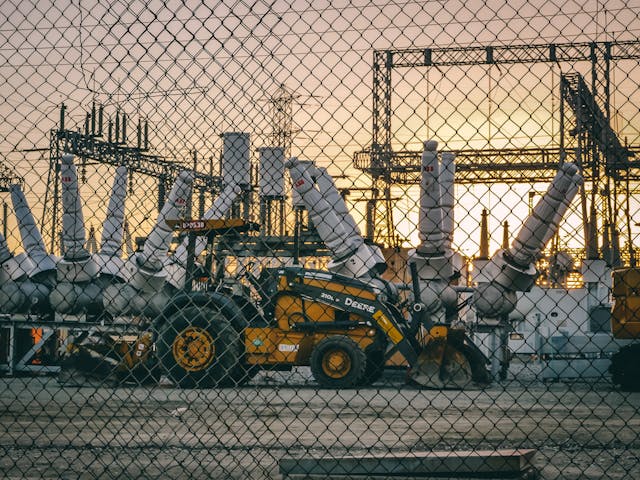
Still, many grids are very old. Most were not built to support renewable energy, which often comes from far away. Because of this, we need new power lines and bigger grid systems. But building new lines can take time because of rules, land issues, and public concerns. Even so, many companies are already building new lines to help more renewable power enter the system.
Costs, resources, and opportunities
Moving to renewable energy can be costly at first. But over time, cleaner energy and upgraded grids can cut fossil fuel use, lower running costs, and make energy safer. This change can also create jobs and grow new industries. Clean energy can give power to local communities and help them rely less on big power stations. These improvements also support new ideas in energy storage, smart grids, and other tools that make the grid stronger and more reliable.
However, this transformation depends heavily on access to critical minerals such as copper, nickel, lithium, and cobalt. However, since most of these minerals are owned by a few countries, acquiring them can be a challenging task. As the energy transition goals gain momentum, it’s crucial to secure an abundant supply of critical minerals safely, thereby minimizing risks to people and the environment.
A foundation for the future
The power grids are the foundation of a sustainable energy future. To facilitate a shift towards renewable energy, power grids must be more intelligent, cleaner, and more resilient. This way, they can serve as an essential link between renewable energy generation and end-users.