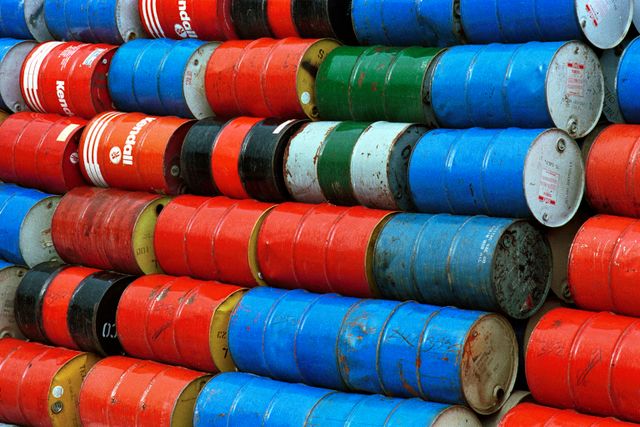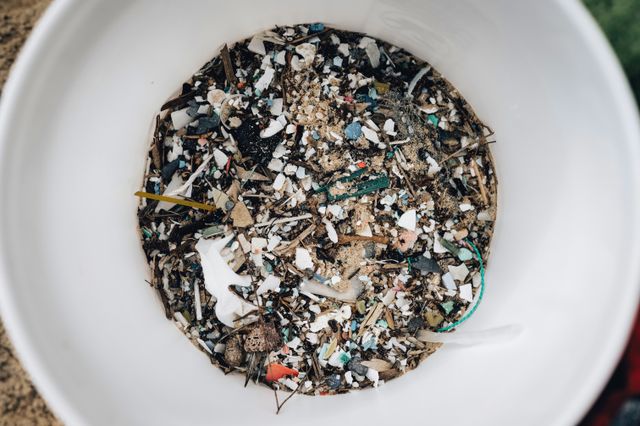

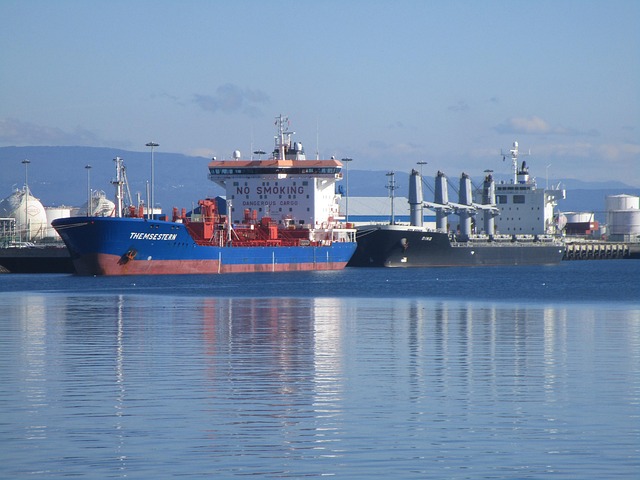

Oil and chemical tankers move key cargo across the world. They carry crude oil, fuel, acids, solvents, and other liquid goods.
These cargoes help trade. They also bring risk. Many ships sail near busy ports, narrow lanes, and fragile coasts. So tanker work must meet strict rules.
Safety now shapes every part of the job. So do clean work, crew skill, cargo care, and fuel data. These points affect how tankers are built, checked, hired, insured, and run.
The tanker sector is changing fast. It is not just switching to cleaner fuel. It is changing how ships work each day.
Why Oil and Chemical Tankers Face More Pressure
Oil and chemical tankers face more pressure for one clear reason. They carry risky cargo under tougher safety and green rules.
Rules from IMO, the EU, and other bodies now guide daily work. These include SOLAS, MARPOL, the IBC Code, the Polar Code, CII, EU MRV, and the EU carbon market. They affect ship design, routes, fuel use, cargo records, and emissions reports.
Ship hirers, banks, insurers, and port teams also want proof. They want safe work. They want clear data. They want real care for the sea.
For owners and crews, the future is not only about cleaner fuel. It is also about safer ships. It means better checks, smarter cargo control, and honest reports.
Why Tanker Safety Comes First
For oil and chemical tankers, safety is not a bonus. It is the basic rule for staying in service.
A lost box from a ship is serious. A tanker spill can be much worse. Oil, fuel, or toxic chemicals can harm water, fish, coasts, ports, and local jobs.
The harm can last for years. It can also bring fines, claims, lost trust, and high clean-up costs.
That is why tanker safety starts with design. Modern tankers use many layers of protection. These include:
- Double hulls
- Separate cargo tanks
- Inert gas systems
- Vapour-control systems
- Closed loading systems
- Gas alarms
- Emergency shutdown systems
- Fire safety systems
- Tank coatings and linings
- Ballast water systems
- Slop handling and tank cleaning plans
- Crew drills and safety training
Chemical tankers need extra care. Some cargoes react with water, air, heat, tank coatings, or other cargo. Some can burn. Some can eat into steel. Some can poison people or harm the sea.
One ship may carry many small cargo parcels on one trip. Each cargo must stay in the right tank. The crew must check which cargo can sit near another. Tanks must also be cleaned and made ready with care.
Safe tanker work is more than a strong hull. It needs good design, safe systems, clear steps, trained crews, and regular checks through the ship’s life.
IBC Code and Chemical Tanker Types
Chemical tankers follow strict safety rules. These rules control how ships carry risky liquid cargo.
One key rule is the International Bulk Chemical Code. It is often called the IBC Code. This code sets rules for ships that carry dangerous chemicals in bulk.
The IBC Code covers ship design, ship build, cargo tanks, safety gear, and cargo handling. It is required under SOLAS and MARPOL Annex II for ships that fall under its scope.
The code groups chemical tankers by cargo risk.
| Chemical Tanker Type | Cargo Risk Level | Main Purpose |
| Type 1 | Highest risk | Gives the most protection for the most dangerous cargo |
| Type 2 | High risk | Gives strong tank and damage protection |
| Type 3 | Lower risk, but still controlled | Gives safe protection for less risky chemical cargo |
Type 1 ships carry the most dangerous cargo. They must meet the toughest damage rules.
Their cargo tanks sit farther inside the ship. This helps lower the risk of a leak after a crash or grounding.
This risk-based system matters. Not all liquid cargo has the same danger level.
A fuel tanker, a crude oil tanker, and a chemical tanker may all be called tankers. But they do not follow the same exact rules. Their design, cargo systems, and daily work can be very different.
For chemical tankers, checks go far beyond the hull and engine. They also cover:
- Which cargo can be carried together
- Tank coating safety
- Cargo heating systems
- Cargo pumps
- Ventilation
- Vapour control
- Emergency plans
- Tank cleaning steps
These checks help make sure each cargo is carried in the right way.
Key Rules That Shape Oil and Chemical Tankers
Oil and chemical tankers work under many rules. Some rules focus on ship safety. Others focus on oil spills, chemical pollution, air pollution, fuel data, carbon reports, or special waters.
| Rule or Framework | Why It Matters for Tankers |
| SOLAS | Sets core ship safety rules, such as fire safety, life-saving gear, navigation, and dangerous goods control |
| MARPOL Annex I | Helps prevent oil pollution from ships |
| MARPOL Annex II | Controls harmful liquid chemicals carried in bulk |
| IBC Code | Sets design, equipment, and cargo rules for chemical tankers |
| MARPOL Annex VI | Controls air pollution, sulphur limits, NOx, and carbon rules |
| IMO CII | Rates ships by how much carbon they emit during use |
| IMO DCS | Collects ship fuel-use data |
| EU MRV | Requires ships visiting EU/EEA ports to track and report CO₂ data |
| EU ETS | Adds a carbon cost to covered ship emissions linked to EU/EEA voyages |
| Polar Code | Adds safety and green rules for ships in polar waters |
| Ballast Water Management Convention | Helps stop harmful sea life from spreading through ballast water |
This rule system shows one clear point. Compliance is not just paperwork.
A tanker owner must manage many things at once. The ship must be safe. The cargo must be controlled. The crew must know the job. Emissions must be tracked. Reports must be checked. The sea must be protected.
That is now part of normal tanker work.
LNG and the Fuel Shift in Tankers
Shipping is under pressure to cut carbon. Tankers are part of this shift.
But change has been slow in this sector. Many tanker owners move with care. Tankers cost a lot to build. They stay in service for many years. They also work on tight margins.
Tankers have complex cargo systems too. A fuel choice must fit the ship, the route, the cargo, and the ports it uses.
LNG is one fuel option for some tanker owners. LNG means liquefied natural gas. Some ships use dual-fuel engines, which can run on LNG and other fuel.
LNG can cut sulphur oxide emissions by a large amount. It can also cut nitrogen oxide emissions when compared with many older marine fuels. The result depends on the engine, route, and how the ship is run.
LNG can also help some owners meet strict air rules in some regions.
But LNG is not a final answer. It is best seen as a bridge fuel.
The main problem is methane slip. Methane is a strong greenhouse gas. Some methane can pass through engines or fuel systems without being burned. This can reduce the climate gain from LNG.
The full fuel chain matters too. LNG must be taken from the ground. It must be cooled, moved, stored, and used on board. Each step affects its real climate impact.
LNG also adds cost and technical work for tanker owners. Ships need very cold fuel tanks. They need gas-control systems. Crews need training. Ports must have LNG bunkering, which means safe fuel supply for ships.
These systems take space on the ship. They also add cost. They need approval before the ship can enter service.
LNG Compared With Other Fuel Options
The tanker fuel shift is not moving in one single direction. Owners are looking at several fuel and energy-saving choices.
Each option has strengths. Each one also has limits.
| Option | Strength | Limit |
| LNG | Available now on some routes. Can lower SOx and NOx emissions | Methane slip, fossil-fuel use, and very cold fuel storage |
| Methanol | Easier to handle as a liquid than LNG. More new ships are being planned for it | Green methanol is still limited and costly |
| Ammonia-ready ships | Could support zero-carbon fuel if green ammonia grows | Ammonia is toxic. Safety rules and engines are still developing |
| Biofuels | Can work in some current ship engines | Supply, price, proof of origin, and quality can be hard to manage |
| Scrubbers | Help ships meet sulphur rules while using high-sulphur fuel | They do not cut carbon. Some ports limit washwater discharge |
| Efficiency upgrades | Can cut fuel use and emissions fast | They cannot fully remove tanker emissions alone |
This is why tanker decarbonization will use more than one path.
Some ships will use LNG. Others will test biofuels. Some new ships may be built for methanol. Some may be ammonia-ready. Many owners will also use better route planning, energy-saving devices, and stronger emissions tracking.
The best choice depends on the ship. It also depends on age, route, cargo, fuel access, charterer needs, and future rules.
Operational Efficiency and Carbon Intensity
Fuel choice gets a lot of attention. But daily ship performance matters just as much.
The IMO Carbon Intensity Indicator, or CII, has changed how owners view daily work. Fuel use is now both a rule issue and a business issue.
Tanker teams can improve carbon intensity with simple steps, such as:
- Better speed control
- Weather routing
- Hull cleaning
- Propeller polishing
- Better voyage plans
- Trim control
- Energy-saving devices
- Waste-heat recovery
- Smarter cargo heating
- Digital fuel checks
- Less waiting time at ports and terminals
These steps may sound less bold than a new green-fuel ship. But they still matter.
A tanker that wastes fuel costs more to run. It also has weaker carbon results. This can hurt its value with charterers who track emissions data.
For chemical and product tankers, cargo heating also matters. So does tank cleaning.
Poor voyage plans can burn extra fuel. So can needless heating, slow tank cleaning, and long idle time.
Better daily control can cut cost and emissions now. Owners do not have to wait for future fuels to grow.
Arctic Shipping and the Polar Code
As sea ice changes, some tanker owners look at Arctic routes. The Northern Sea Route can shorten the trip between parts of Asia and North Europe. It can be shorter than the Suez Canal route. In theory, this can mean less fuel use. It can also mean faster cargo delivery.
In real life, Arctic tanker work is hard. Polar waters bring risks that normal routes do not. Ships may face ice, fog, deep cold, and harsh weather. They may also be far from help.
Search and rescue can be limited. Spill-response tools can be far away. A short route on a map can still be a hard route at sea. The IMO Polar Code has been mandatory since 2017. It sets extra safety and green rules for ships in Arctic and Antarctic waters.
Ships covered by the code need a Polar Ship Certificate. They also need a Polar Water Operational Manual. Owners must show that the ship can work safely in polar waters. This includes design, gear, crew training, work limits, and safe steps.
For tankers, the risk is even higher. Oil and chemical spills are harder to control in remote cold areas. Cold water slows natural breakdown. Ice can trap oil or chemicals. Help may arrive late. Fragile polar life can take a long time to recover.
That is why Arctic tanker work needs more than an ice-class mark. It needs a full safety review. Owners must check ship strength, cargo risk, crew skill, routes, radios, survival gear, and spill plans.
Vetting, Inspection, and Commercial Approval
Tanker safety is not controlled by law alone. Business checks also play a big role.
Before a tanker gets work, it may face strict review. A charterer, terminal, oil major, or chemical cargo owner may ask for proof.
These checks can include:
- OCIMF SIRE checks for oil, product, and gas tankers
- CDI checks for chemical tankers
- Port State Control checks
- Flag State checks
- Terminal vetting
- Charterer approval
- P&I club risk checks
- Internal safety audits
SIRE 2.0 has made vetting more active and risk based. It looks more closely at people, ship condition, and real work on board.
It is not just a fixed checklist.
For chemical tankers, CDI checks are still very important. Cargo quality, cargo fit, tank condition, and safe handling all affect approval.
A tanker can meet basic legal rules and still lose business. This can happen if its inspection record is weak.
It can also happen if records are poor, crew work is weak, or the safety culture does not meet charterer needs.
This is why class, vetting, and clear records now have real business value.
Spill Response and Emergency Planning
Oil and chemical tankers must be ready for rare but serious events.
These events can include collision, grounding, fire, blast, cargo leak, toxic vapour release, engine failure, or pollution.
Emergency plans usually cover:
- Shipboard spill response
- Cargo-specific response steps
- Fire control
- Emergency shutdown
- Contact plans
- Crew drills
- Work with coastal teams
For oil tankers, the main risk is oil pollution.
For chemical tankers, the risk can be more complex. Some cargo can poison people. Some can burn. Some can damage steel. Some can react with water. Some can harm sea life.
Cargo knowledge is vital.
A chemical spill plan must match the cargo on board. Some cargo floats. Some sinks. Some turns into vapour fast. Some reacts with water. Some creates toxic gas.
A general plan is not enough.
Emergency readiness must also be proven. Regulators, class teams, charterers, insurers, and ports all need trust.
They need to know that the ship, crew, gear, and response plans match the cargo risk.
ESG, Clear Records, and Checked Emissions Data
ESG means environmental, social, and governance performance. It now matters in tanker shipping.
Charterers, banks, insurers, investors, and cargo owners want proof. They want safe work, lower emissions, and clear records.
Data now has real value.
It is not enough for an owner to say oil tankers and chemical tankers follows the rules. The owner must show it with checked records.
Key records include:
- EU MRV emissions reports
- IMO DCS fuel-use data
- CII ratings
- EU ETS carbon costs and duties
- Safety inspection history
- Pollution-prevention records
- Crew training records
- Class and legal certificates
- Vetting results
- ESG and green reports
The Poseidon Principles also add pressure in ship finance. The Sea Cargo Charter does the same for charterers. These systems link shipping work with climate reports. They affect how banks, cargo owners, and charterers view a ship.
A tanker with clean records has a stronger market position. A ship with poor carbon results or weak records is harder to defend.
The Role of Classification Societies
Classification societies help keep tankers safe. They check that ships meet class rules, legal rules, and technical standards. Their work starts at design. It continues through building, service, repairs, upgrades, and surveys.
For oil and chemical tankers, class work can include:
- Hull checks
- Engine and machinery approval
- Cargo tank systems
- Tank coating checks
- Fire safety systems
- Inert gas systems
- Vapour-control systems
- Pollution-control gear
- LNG dual-fuel systems
- Alternative-fuel readiness
- Ice-class or polar checks
- Emissions checks
- Energy-efficiency records
Class teams also help owners as rules change.
This matters for LNG dual-fuel tankers. It also matters for methanol-ready ships, carbon-intensity rules, EU ETS reports, and polar work.
Groups such as Bureau Veritas, DNV, Lloyd’s Register, ABS, ClassNK, and RINA work in this field.
Bureau Veritas Marine & Offshore, for example, provides class services for oil and chemical tankers. This can include design review, technical compliance support, emissions records, and safety checks.
The main point is bigger than one provider. As tanker rules become more complex, independent checks become more useful. They help owners, charterers, insurers, banks, and regulators trust the ship. A tanker must not only operate. It must operate inside a checked safety and compliance system.
A Sector Under Pressure, but Still Essential
Oil and chemical cargo will stay part of world trade for many years.
Even as the world cuts emissions, many industries still need liquid bulk shipping. Refineries need it. So do farms, factories, energy firms, drug makers, plastics firms, coating makers, and supply chains.
This creates a hard shift.
The world still needs many cargoes that tankers carry. But it also wants safer, cleaner, and more open transport.
Tanker owners now face pressure from many sides, such as:
- Tougher emissions rules
- Higher carbon costs
- Older ships
- Limited shipyard space
- Unclear future fuel choices
- Stricter charterers
- Stronger vetting
- Arctic route risks
- ESG reporting needs
- More checks from banks and insurers
The best owners will not win by choosing one fuel only.
They will win by treating safety, rules, fuel use, and verified proof as part of their core business plan.
Future Outlook for Oil and Chemical Tankers
The future of oil and chemical tankers will depend on three things: risk, rules, and trust. Risk will stay high because the cargo can be dangerous. Rules will get tighter because shipping must cut its impact on the planet. Trust will matter more because charterers, banks, insurers, regulators, and the public want proof.
They want to see that tankers are safe. They also want proof that ships are run with care. This means tanker owners must invest in more than new hardware. They need better systems for data, crew training, checks, emissions control, cargo risk, and emergency plans.
LNG may help some owners during the shift. Methanol may help others. Ammonia-ready ships, biofuels, and energy-saving tools may also play a role. But no fuel choice removes the need for safe work and clear proof. One tanker incident can harm coasts, towns, markets, and reputations. So class and compliance are not just office tasks.
They are the base of responsible tanker work. The tanker industry is entering a tougher era. The strongest owners will be those who understand one point clearly. Safety, green performance, and market trust now depend on reliable proof. A ship must show that it is fit for the future.
FAQs
What is the main difference between an oil tanker and a chemical tanker?
An oil tanker carries crude oil or fuel products.
A chemical tanker carries harmful liquid chemicals, acids, solvents, and other special liquid cargo.
Chemical tankers often need more care. They need better cargo separation, tank coatings, tank cleaning, and cargo checks.
Why is the IBC Code important for chemical tankers?
The IBC Code sets global safety rules for chemical tankers.
It groups ships by cargo risk. It also sets rules for ship design, tank safety, equipment, and cargo handling.
Is LNG the best future fuel for tankers?
LNG can help some tanker owners during the fuel shift.
It can cut sulphur and nitrogen emissions. But it is not a full carbon solution.
Methane slip is still a concern. The full fuel chain also affects its real climate impact.
Why does the Polar Code matter for tankers?
The Polar Code sets extra rules for ships in Arctic and Antarctic waters.
It matters because tanker spills are harder to manage in cold, remote areas.
Help may be far away. Ice can trap pollution. Polar ecosystems can also take longer to recover.
Why are classification societies important for tankers?
Classification societies check that tankers meet safety, technical, green, and legal rules.
They support ship design approval, surveys, fuel systems, emissions records, and compliance with global rules.
How does ESG affect tanker shipping?
ESG affects finance, chartering, insurance, emissions reports, and public trust.
Owners with clear emissions data, strong safety records, and verified compliance are in a better business position.
What are the biggest challenges for oil and chemical tankers?
The biggest challenges include risky cargo, stricter emissions rules, carbon costs, fuel uncertainty, older ships, stronger vetting, Arctic risks, and the need for checked ESG data.