

Photo by Karl Gerber on Pexels
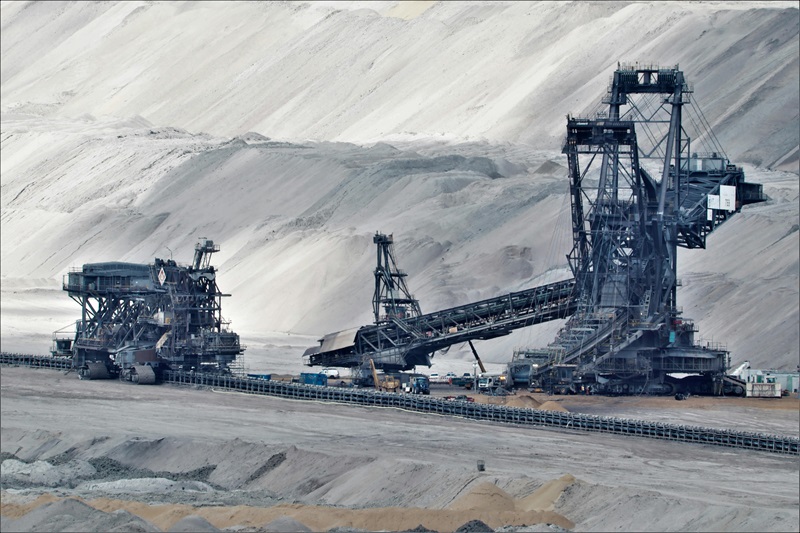
Despite the continued importance of mineral resources to society, it places an incredible strain on the water, land, and people in and around mine sites. It poses challenges to the responsible operation of the mining industry.
This involves the need for practical means that can secure valuable mineral resources for use now and in the long term. Below are six ways mining companies can reduce their environmental impact.
1. Improve Energy Efficiency
Mining processes are resource-intensive, with heavy machinery, processing plants, and transport being widely used. Reducing the total energy demand by efficient use of machinery, operational improvements, and process optimization will limit emissions and operational costs. The energy audits, which evaluate smart energy systems in mining operations, will identify and reduce energy waste.
Mining operations can also reduce their need for fossil fuel energy sources while decreasing their greenhouse gas emissions through the implementation of wind and solar energy systems. The action helps to reduce climate change impacts. Several mines have already begun implementing this by investing in electrically operated fleets and battery-powered systems.
2. New Technologies and Equipment Maintenance
New technologies allow mining processes to operate sustainably once implemented. The excavation process becomes more accurate and efficient because automated equipment and smart sensors, together with data analysis tools, reduce energy and resource requirements. It enables miners to base their environmental impact decisions on comprehensive and dependable data.
The correct maintenance of mining machinery also enables maximum equipment performance while maintaining environmental protection through controlled machinery usage. Mining operations need high-quality spare parts for mining equipment, together with their maintenance, to achieve productivity with sustainable material use.
3. Optimize Water Management System
Mining is a water-intensive industry, and if not properly managed, it has the potential to pollute water sources in the area. Mining should strive to reduce its consumption of fresh water and prevent water pollution through advanced water treatment systems, especially utilizing closed-loop systems where water can be reused many times.
By using the recycled water resources and properly utilizing tailings, mining operations could become much more efficient with a lower risk to the environment and communities. The use of filtering technologies will preserve the water quality and not discharge pollution compounds to the environment.
4. Waste Reduction and Reuse of Materials
Mining activities generate huge volumes of waste, such as tailings and overburden, the careful disposal of which must prevent further risk to the environment and improve operational efficiency. Technologies such as dry-stacking and material recovery reduce the output of harmful waste, while reusing the resources in situ will save valuable materials.
Circular economy principles will be adopted by mining industries, where full materials recycling throughout the life of mining activity, from extraction to restoration, will be applied. It consequently limits environmental impact and increases operational efficiency in mining.
5. Plan Responsible Land Use and Rehabilitation
The environmental impact of mining is vast, and the development of a well-planned land use plan based on the impact assessment will determine the suitable locations for mining. It will also point out the most sustainable way to excavate, preserving local wildlife and residents, before mining starts.
Land rehabilitation will restore the mining site to resemble its natural surroundings. This aims at future reuse in the long run for its successful recovery, so as to balance the local ecological system. This can be achieved through:
- Reshaping the land to stable contours
- Replacing preserved topsoil
- Replanting native vegetation
6. Increase Community Involvement and Governance
Apart from minimizing environmental impact, sustainable mining operations also improve the social welfare of people engaged in them. It’s an integral part of responsible mining, which enables communities to place trust in operations conducted within their boundaries. Good governance and regulations ensure that mining companies follow best practices while holding the responsible person accountable for their complete mining operations.
Trust development and inclusive growth result from community participation in decision-making processes, which provide all groups equal access to shared economic benefits. The entire mining industry adopts best practice mining, which the high environmental and safety standards help achieve while reducing operational risks.
Endnote
Mining operations can cultivate sustainability through the practicality of ingenuity, accountability, and long-term vision that needs to be embraced by mining operations. Reducing the environmental impact can be achieved through improved energy efficiencies, responsible water management, and reducing waste. Utilizing modern technology and responsible land practices, together with increased community commitment, can all be integrated into effective, sustainable mining practices.