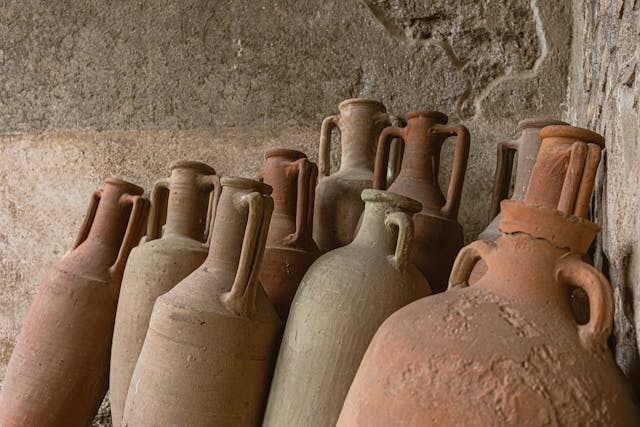

When most people hear the word urn, they think of a simple vase placed on a mantel. But cremation urns today go far beyond that. Families now choose urns that reflect personality, values, and even the environment. From tree pods to sparkling memorial diamonds, urns have become meaningful symbols of legacy.
Ancient Cremation Urns — From Ritual to Modern Memory
Ancient Roots of Cremation Urns
Cremation urns are not new. People have been using them for thousands of years.
- Bronze Age Europe: Large cemeteries called urnfields were common. The urns, usually made of clay and decorated with patterns, were buried as part of group rituals.
- Ancient Greece: Cremation was linked to honor, especially for soldiers. Ashes were kept in ceramic or terracotta urns, often painted with mythological scenes or geometric designs for protection in the afterlife.
- Roman Empire: Romans placed urns inside columbaria—vaulted chambers with niches that held hundreds of urns. These stone spaces created a sense of shared memory and family connection.
- China (Han Dynasty): Cremation urns were often elaborate, with animal motifs, inscriptions, or symbolic lids. These designs showed beliefs in immortality and cosmic balance.
Seen together, these examples reveal how urns carried both practical and spiritual meaning across cultures.
Symbolism Across Cultures
Cremation urns were never just containers. They carried meaning—continuity, protection, and transformation.
- Greeks and Romans: Urns showed social status and honored the dead.
- Asia: Designs tied into religion and beliefs, often linked to reincarnation or cosmic cycles.
- Indigenous cultures: Urns connected to the earth, returning ashes to the soil in sacred rituals.
What unites all these practices is a shared instinct: to create a vessel that safeguards memory.
From Ancient Clay to Modern Innovation
The journey of urns mirrors human values.
- Ancient urns were made of clay, stone, or bronze, decorated with carvings or painted designs.
- Modern urns use wood, glass, metal, biodegradable paper, and even salt. They can feature laser engraving, photos, or QR codes that link to digital memorials.
Biodegradable tree pod urns echo ancient rituals. Just as old cultures buried urns in fields, families today plant memorial trees so ashes nurture new life.
Even high-tech options—like memorial diamonds or jewelry urns—continue the tradition. They keep loved ones close, turning ashes into symbols of beauty, love, and permanence.
Why Ancient Practices Still Matter Today
Looking back, we see that modern cremation urn are not as new as they seem. People have always sought meaningful ways to preserve memory.
Whether it’s a clay urn from Bronze Age Europe or a glass-blown urn from today’s artist, the message is the same:
An urn is never just about ashes—it is about love, remembrance, and legacy.
Why Families Are Choosing Unique Cremation Urns
Cremation is now one of the most common choices for end-of-life memorials. But with it comes a desire for personalization. Many people don’t just want a standard urn; they want something that represents who their loved one was. Some choose eco-friendly options, while others prefer artistic or wearable urns that keep memories close.
Simply: urns have become more than containers—they’re lasting tributes.
10 Unique Types of Cremation Urns
1. Tree Pod Urns
Tree pod urns turn ashes into new life. These biodegradable urns hold ashes and a seed. Once buried, they grow into a tree. Families can pick oak, cherry, or maple—symbols of strength, beauty, or endurance. It’s one of the most eco-friendly ways to remember a loved one.
2. Jewelry Urns
Jewelry urns let you keep memories close every day. A small amount of ashes is placed inside a pendant, bracelet, or ring. Designs range from simple lockets to elegant diamonds. They allow you to carry your loved one with you wherever you go.
3. Glass Art Urns
Hand-blown glass urns mix ashes into colorful art. Some look like abstract sculptures, others like glowing orbs or paperweights. These urns fit easily into home décor, blending memory with beauty.
4. Floating & Water Urns
For families tied to the sea, floating urns rest gently on water before dissolving. They are used in ceremonies on oceans, rivers, or lakes. Symbolically, they represent a “return to nature.”
5. Keepsake Mini Urns
Keepsake urns divide ashes into smaller containers for family members. Each piece can be personalized with engravings, photos, or symbols. Many families find comfort in sharing memorials across homes.
6. Photo Frame Urns
Photo urns look like normal picture frames but hold a hidden space for ashes. They let families pair a favorite photo with a memorial. Subtle, simple, and deeply meaningful.
7. Urn Statues & Sculptures
For art lovers, urn sculptures offer a bold choice. They may look like angels, religious figures, or abstract art. Families often pick symbolic designs, turning the urn into a centerpiece instead of something hidden.
8. Biodegradable Paper or Salt Urns
Eco-friendly urns use natural materials like paper, sand, or salt. These break down slowly in soil or water, leaving no trace behind. A beautiful option for people who valued sustainability.
9. Pet Cremation Urns
Pets are family too. Pet urns come in paw-print styles, figurines, or engraved wood boxes. Some can even be personalized with collars or photos, giving beloved animals a dignified farewell.
10. Memorial Diamond & Crystal Urns
The rarest option of all: turning ashes into diamonds or crystals. These can be worn as jewelry or placed on display. While costly, they symbolize permanence—“forever” in its truest sense.
How to Choose the Right Unique Urn
Choosing an urn can feel overwhelming. Here are the main things to consider:
- Budget – Simple designs can cost under $50. Memorial diamonds can cost several thousand.
- Material & Style – Think about durability and look. Do you want the urn to be visible or discreet?
- Personal Values – Was the person eco-friendly, artistic, or religious? Pick what matches their life.
- Capacity – Urns are sized by weight: 1 cubic inch for every pound of body weight.
Where to Find Unique Cremation Urns
- Funeral Homes – Convenient, but often the most expensive.
- Online Retailers – Amazon, Perfect Memorials, and Foreverence offer variety at lower prices.
- Local Artisans – Etsy shops and independent makers create one-of-a-kind designs.
- Eco-Companies – Focus on biodegradable urns for green burials.
Tip: Compare prices. Funeral homes may charge 2–3 times more than online shops.
FAQs on Unique Cremation Urns
Q: Are unique urns legal everywhere?
Yes. But scattering ashes may require permits or follow park/ocean rules.
Q: Can I travel with an urn?
Yes. TSA allows urns, but use wood or plastic. Metal urns may not pass security checks.
Q: How long do biodegradable urns last?
They stay intact until placed in soil or water. Then they break down naturally within weeks or months.
Conclusion: Keeping Memories Alive in New Ways
Urns are no longer plain jars kept on a shelf. Today, they can grow into trees, shine as jewelry, or stand as art. By choosing a unique urn, families honor their loved one in a way that is personal, meaningful, and lasting.